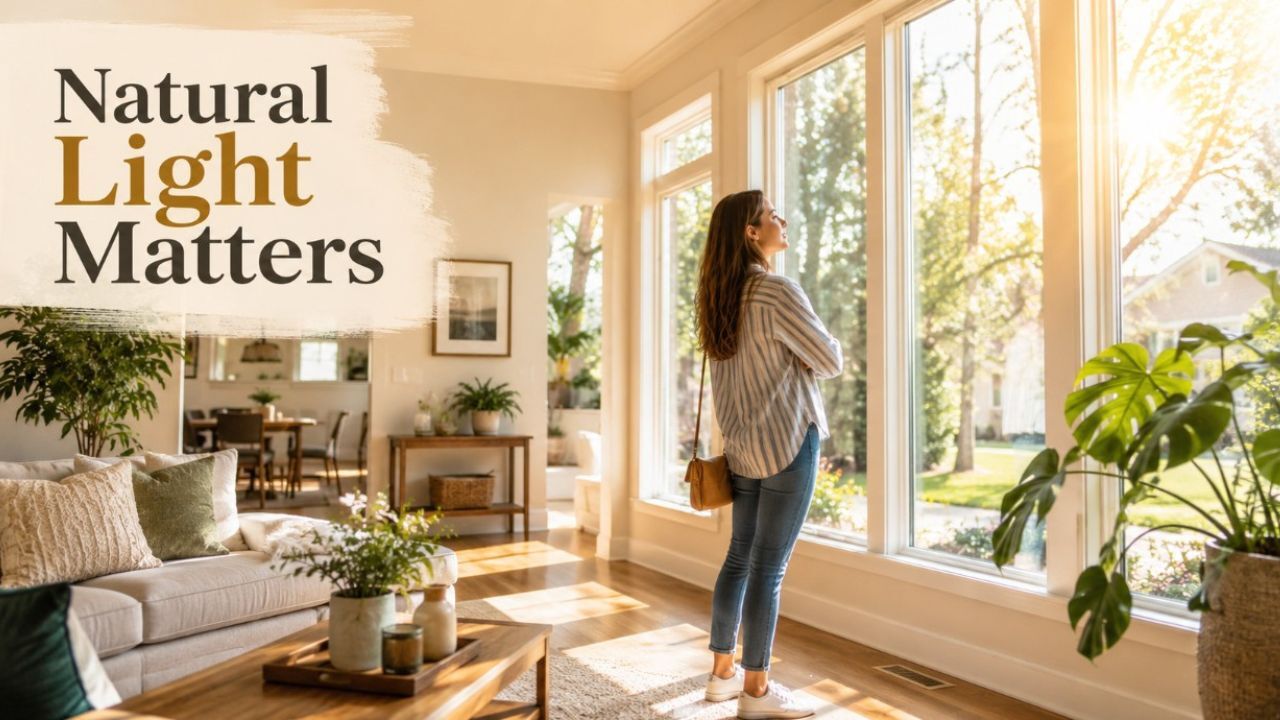
 Natural light can change how a home feels, functions, and even how you use it day to day. Buyers often notice whether a home feels bright during a showing, but they may not fully evaluate how light moves through the space or how much it matters to their lifestyle. Paint, furniture, and décor can be changed. The direction of sunlight is much harder to adjust.
Light Changes the Feel of Space
A bright home often feels larger, warmer, and more inviting. Natural light can make rooms feel more open and can reduce the need for artificial lighting during the day. For people who work from home, care about plants, take photos, enjoy reading, or simply feel better in brighter spaces, light can be a major quality of life factor.
Not All Light Works the Same Way
However, not all natural light is the same. Morning light feels different from afternoon light. South facing exposure may offer consistent brightness in many areas, while west facing rooms can become very warm later in the day. A room that looks bright at 10 a.m. may feel dark by 3 p.m. A home shaded by trees may feel cozy in summer but dim in winter. Nearby buildings, roof overhangs, window size, and interior layout all influence light.
Tour With the Lights Off
When touring a home, pay attention to more than whether the lights are on. In fact, ask yourself how the home feels without artificial lighting. Are there rooms that depend heavily on lamps? Do certain areas feel gloomy? Are the windows placed where you actually spend time? Does the kitchen get enough light? What about the home office, living room, and bedrooms?
Light Affects Comfort and Costs
Natural light also affects energy use and comfort. Strong afternoon sun may increase cooling needs. Limited light may make a home feel colder or require more daytime lighting. Window treatments, insulation, tree coverage, and window quality can all influence the experience.
Know Your Personal Preference
Buyers should also think emotionally. Some people love a soft, shaded home that feels private and calm. Others feel energized by bright rooms and open views. There is no single correct amount of light. The question is whether the home s light pattern fits the way you want to live.
Observe Light Throughout the Day
If possible, visit the home at different times of day or ask about sun exposure. Look at the direction the home faces. Notice where shadows fall. Think about your morning coffee, work calls, family dinners, weekend cleaning, and quiet evenings. Light plays a role in all of those moments.
A home is more than its measurements and finishes. It is an atmosphere. Natural light is one of the quiet details that can make that atmosphere feel right or wrong. Do not overlook it.

 Closing day feels like the end of the homebuying journey. You sign the documents, receive the keys, and finally become a homeowner. It is a major milestone worth celebrating. But from a mortgage and financial planning perspective, closing day is not the finish line. It is the starting point of a new phase.
 A down payment is often treated like a simple number. Buyers ask whether they need 3%, 5%, 10%, or 20% down. While the amount matters, the personality of your down payment matters too. In other words, where the money comes from, how long it has been saved, how it affects your remaining cash, and what it says about your financial strategy all play a role.
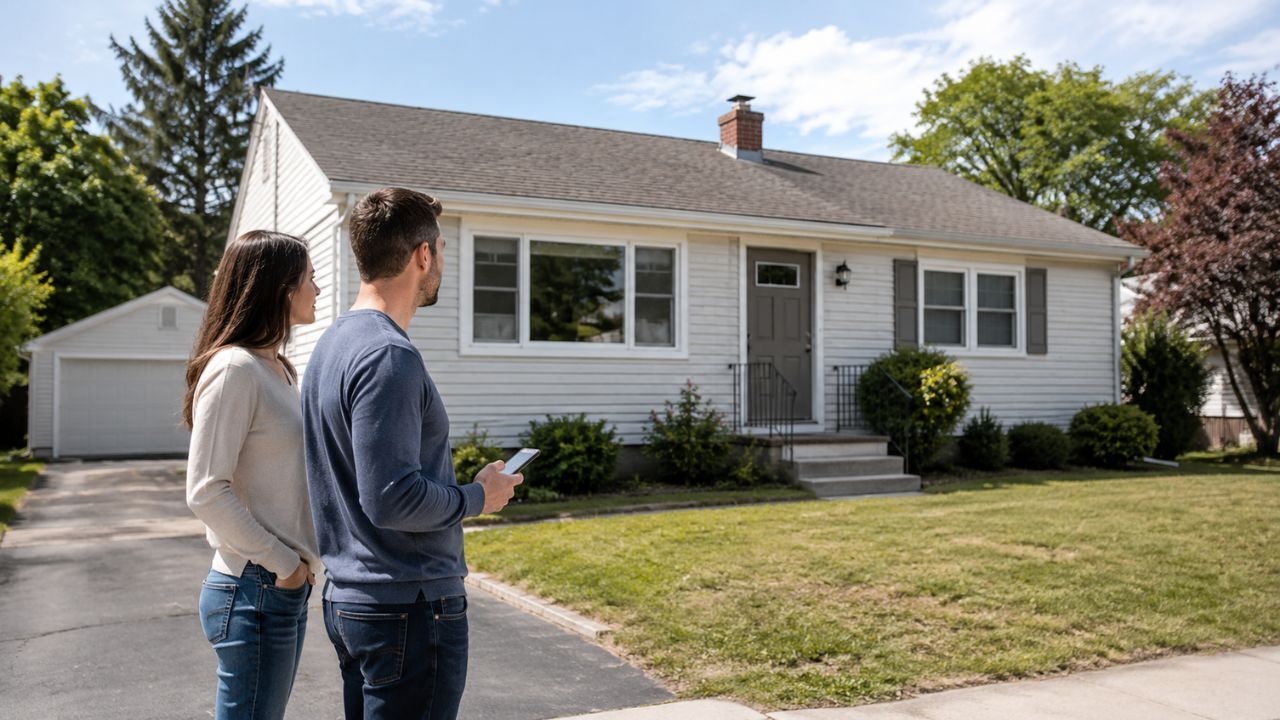 In a world full of dramatic kitchens, spa bathrooms, statement lighting, and perfect social media homes, the boring house often gets overlooked. It may not photograph beautifully. It may have plain walls, older carpet, basic cabinets, or landscaping that needs attention. But for some buyers, the boring house can be one of the smartest mortgage decisions they make.