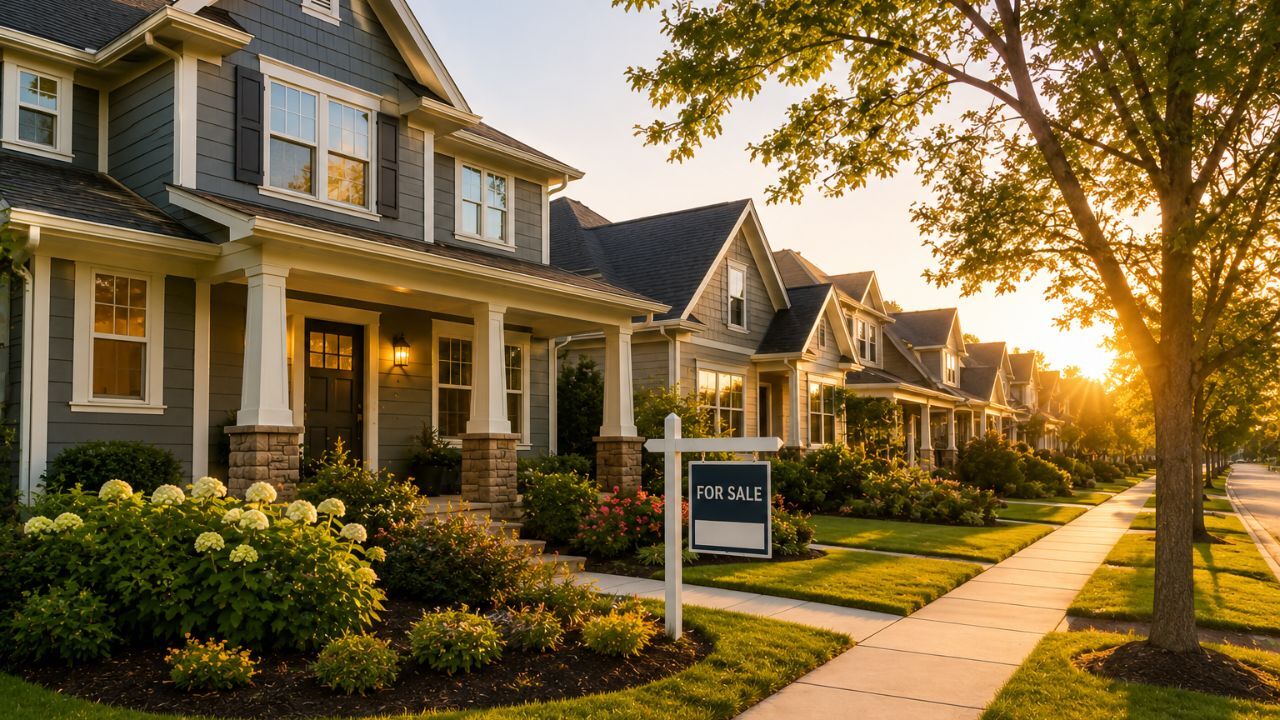
 Most buyers focus on finding a home that fits their current needs, which is exactly what they should do. However, it is also wise to consider how appealing the property may be to future buyers. Even if you plan to stay for many years, understanding what contributes to resale potential can help protect your investment over the long term.
Location Continues to Matter
One of the most important factors influencing resale value is location. Homes near desirable schools, employment centers, shopping, transportation, and community amenities often attract a larger pool of buyers. While you can renovate a home, you cannot change its location.
Functional Floor Plans Appeal to More Buyers
Layouts that support a variety of lifestyles tend to have broader market appeal. Flexible living spaces, practical bedroom arrangements, and efficient use of square footage often make a property attractive to future buyers.
Well-Maintained Homes Stand Out
Buyers notice when a home has been properly cared for over time. Regular maintenance, timely repairs, and attention to important systems can help preserve value and reduce concerns during future inspections.
Neutral Design Choices Have Staying Power
Personal style is important, but highly customized finishes may not appeal to everyone. Neutral colors, timeless materials, and classic design elements often make it easier for future buyers to envision themselves living in the home.
Storage Remains Highly Desirable
Storage space is one feature that consistently attracts buyer interest. Closets, garage storage, pantry space, and functional organization areas can significantly enhance a home’s appeal when it is time to sell.
Improvements Should Balance Enjoyment and Value
Homeowners should absolutely personalize their homes, but it is helpful to consider how major projects may affect future resale. The best improvements often enhance both your enjoyment and the property’s long-term marketability.
Buy for Today, Think About Tomorrow
The goal is not to purchase a home solely for resale. Instead, buyers should look for properties that meet current needs while maintaining qualities that are likely to remain attractive in the future. This balanced approach can help support both enjoyment and long-term value.
 Many buyers focus on interest rates, inventory, and pricing when planning a home purchase. However, the time of year can also play a significant role in the home-buying experience. Understanding how seasonal trends affect inventory, competition, and property conditions can help buyers make more informed decisions throughout their search.
 Touring homes is one of the most exciting parts of the buying process. It is your opportunity to see properties in person, compare options, and determine which homes may be the best fit for your needs. While many buyers focus on features they can see, asking the right questions during a showing can provide valuable information that may not be immediately obvious.