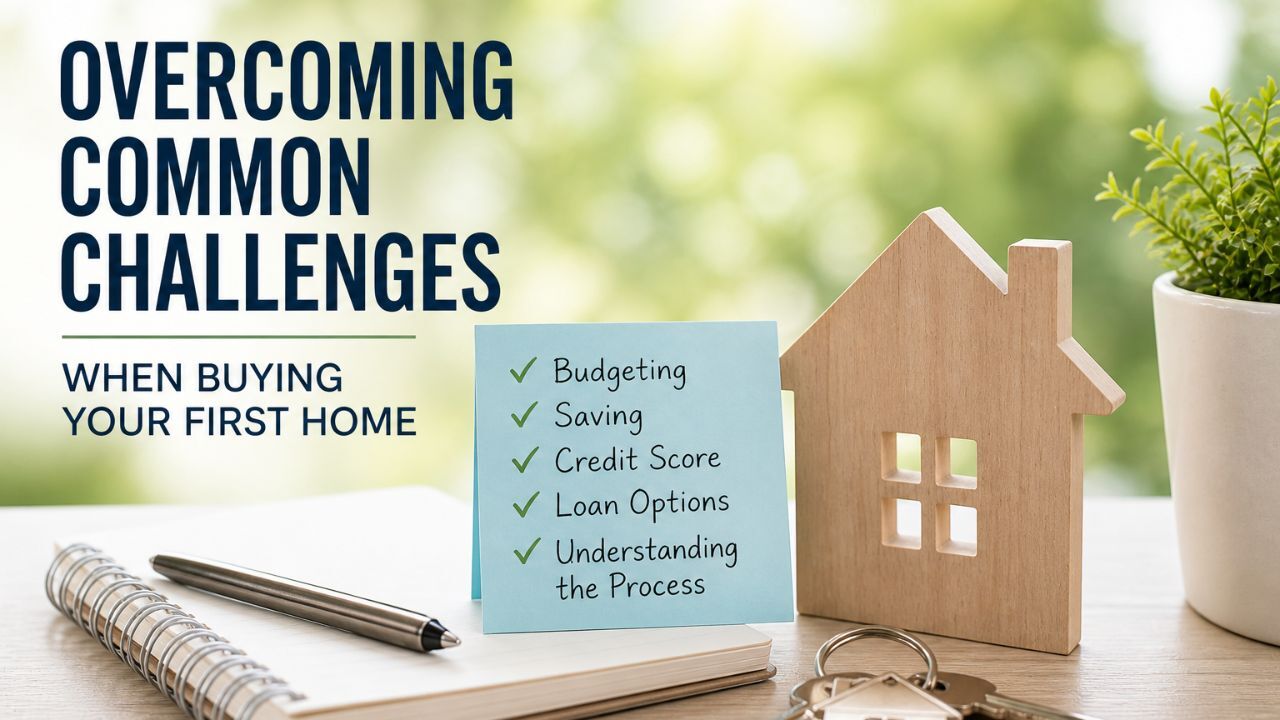
 Buying your first home is an exciting milestone, but it often comes with challenges that can feel overwhelming if you are not prepared. From financial concerns to navigating the process itself, many first-time buyers encounter similar obstacles.
The key is to understand these challenges ahead of time so you can approach them with confidence and a clear plan.
Managing Limited Savings
One of the most common challenges for first-time buyers is saving enough for upfront costs. Between the down payment and closing costs, the numbers can feel intimidating. However, there are options that can help make this more manageable, including different loan programs and assistance opportunities. Planning early and understanding your options can make a significant difference in how achievable homeownership feels.
Navigating a Competitive Market
In many cases, buyers are entering markets where homes move quickly and competition is strong. This can make it difficult to secure the right property without feeling pressured. Being prepared with a clear budget and having your financing in place, such as being pre-approved, can help you act quickly and confidently when the right home becomes available.
Understanding the Buying Process
For first-time buyers, the process itself can be confusing. There are multiple steps, from pre-approval to inspections and closing, and each one comes with its own requirements. Taking the time to learn how the process works ahead of time can reduce stress and help you feel more in control as you move forward.
Avoiding Emotional Decision Making
Buying a home is an emotional experience, and it is easy to become attached to a property quickly. While this is natural, it is important to stay focused on your needs and financial limits. Making decisions based on logic rather than emotion helps ensure that you choose a home that truly fits your situation.
Building the Right Support Team
Having the right professionals on your side can make all the difference. A knowledgeable real estate agent and lender can guide you through each step, answer your questions, and help you avoid common mistakes. Their experience can provide clarity and confidence throughout the process.
Every challenge in the homebuying process can be overcome with the right preparation and guidance. Ready to purchase a home? Give us a call today and let us help you take the next step.
 Signing a purchase agreement is one of the most important steps in the home buying process. It is the point where your offer becomes a legally binding contract, and understanding what you are agreeing to is critical.
 When most people think about buying a home, they focus on the monthly mortgage payment. While that is an important number, it is only part of the full financial picture.