 When buyers tour a home, they often focus on square footage, finishes, and upgrades. While those factors are important, the layout of a home can have an even greater impact on how comfortable and functional the property feels once you move in. A well-designed floor plan can improve daily living, while a poor layout can create frustrations that become more noticeable over time.
Think About How You Use Your Space
Every household uses space differently. Some families spend most of their time together in common areas, while others value privacy and separation between rooms. As you walk through a home, imagine how you would actually live there on a typical weekday rather than focusing solely on appearance.
Evaluate Traffic Flow
A home’s traffic flow can influence convenience and comfort. Consider how people move from room to room and whether key spaces connect naturally. Kitchens that are isolated from gathering areas or bedrooms located directly off busy living spaces may not work well for every household.
Consider Future Needs
The layout that works today should also support your future plans. A home office, guest room, or flexible living space may become more important over time. Thinking ahead can help ensure the home continues to meet your needs as circumstances change.
Pay Attention to Everyday Functionality
Look beyond staging and furniture placement. Consider where groceries will enter the home, how laundry will be handled, and whether storage areas are conveniently located. Small details can have a major impact on day-to-day living.
Open Concept Is Not Always Best
Open floor plans remain popular, but they are not ideal for every buyer. Some homeowners prefer more separation between spaces for privacy, noise control, or work-from-home flexibility. The best layout is the one that supports your lifestyle rather than current design trends.
Picture Yourself Living There
The goal is not simply to find a beautiful house. It is to find a home that functions well for your everyday life. Taking time to evaluate the layout carefully can help you make a decision that continues to feel right long after you receive the keys.
 Most buyers think about location in terms of commute, schools, shopping, or resale value. Those things matter, but the smaller daily details around access can shape how a home feels once you actually live there. A house may look perfect online and feel great during a showing, but if getting in and out of the property becomes a daily frustration, the excitement can fade quickly.
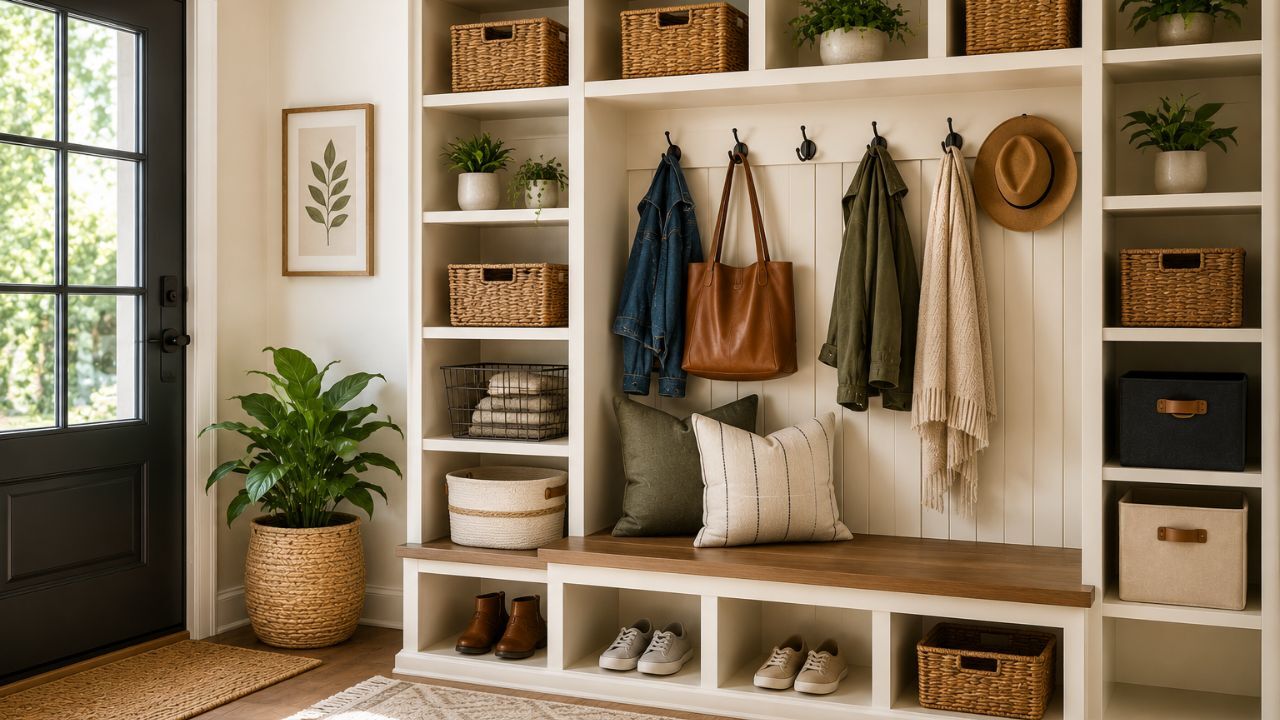 Square footage gets a lot of attention in real estate, but storage space can be just as important to daily comfort. A home may look large on paper and still feel cramped if there is nowhere to put the things that make life function. Closets, cabinets, pantries, garages, basements, attics, laundry areas, and utility spaces all affect how livable a home feels.