 If you have been in your home for a while, you might be able to refinance. If your credit score has increased, your income has gone up, or the average home loan interest rate has gone down, you might be able to conduct a cash-out refinance. During this process, you can keep your mortgage payments the same, secure a lower interest rate, and withdraw the difference as cash. What can you do with this extra cash?
You Can Make Improvements To Your Home
One of the most popular ways people use a cash-out refinance is to increase the value of their homes. For example, you may want to use the money from a refinance to upgrade the kitchen. Or, you might want to use a cash-out refinance to add an addition to your home. You can also use the proceeds from a refinance to handle expensive home repairs. If you want to increase the value of your home, you can tap into the equity in your home through a cash-out refinance.
You Can Pay Off Student Loans
Another popular way to use a cash-out refinance is to pay off existing debt. For example, you can use the cash from this refinance to pay off a car loan, credit card debt, or student loans. Some people have hundreds of thousands of dollars in student loans, and it can take decades to pay them off. If your mortgage has a lower interest rate than your student loans, you may want to use a cash-out refinance to pay off your student loans.
You Can Pay Expensive Medical Bills
Finally, you can also use a cash-out refinance to cover emergency expenses. If you have expensive medical bills, you might want to use a cash-out refinance to cover these costs. A cash-out refinance can help you in a pinch.
Consider A Cash-Out Refinance For Your Home
These are just a few of the many ways you might be able to use a cash-out refinance to help you. If you are interested in refinancing your home loan, you should work with a professional who can point you in the right direction. You can secure the best terms possible, withdraw the maximum amount of cash, and ensure you still pay off your mortgage on time.
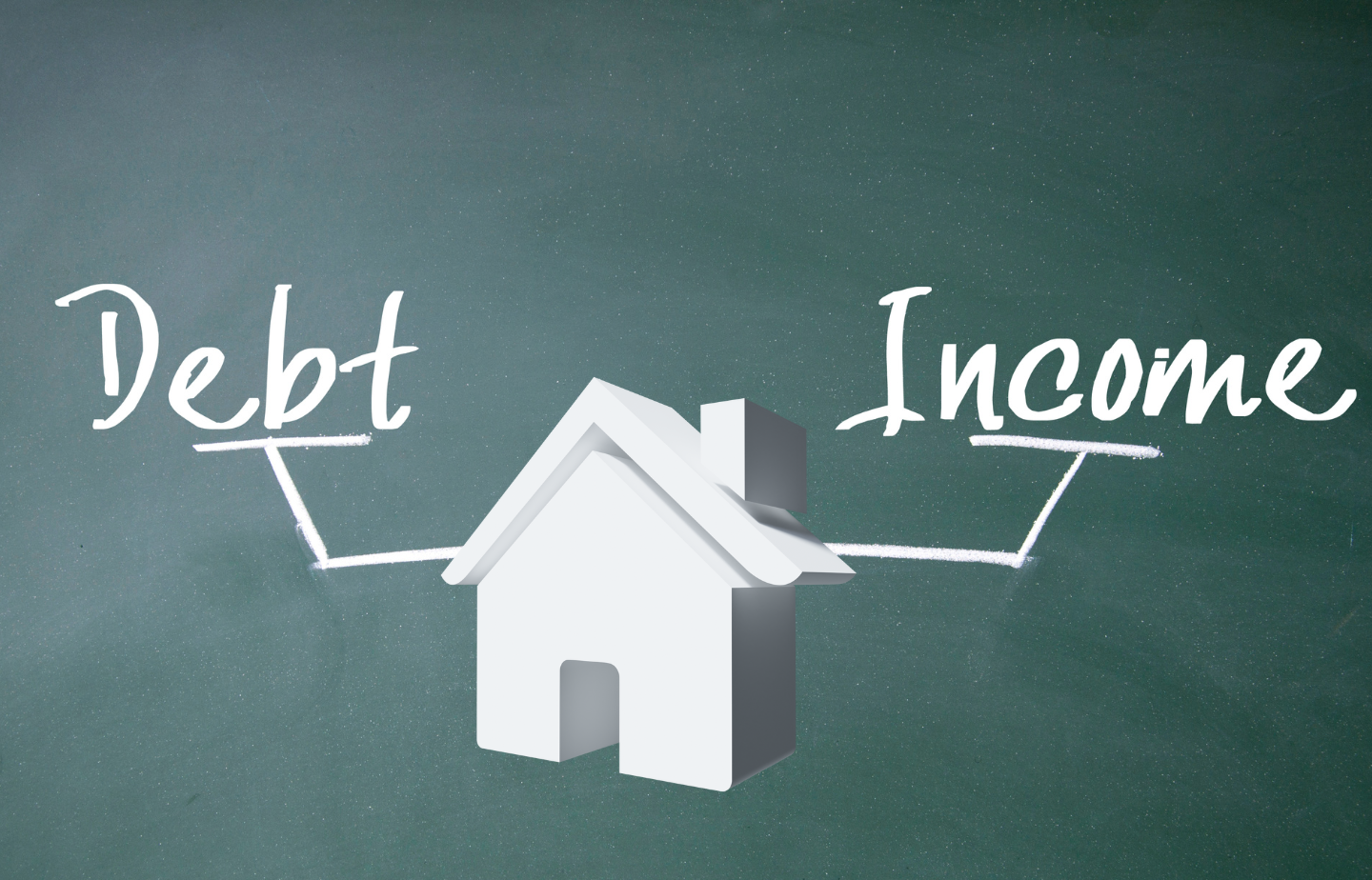 When you apply for a mortgage, your lender will do some quick math to figure out how much of a loan you can afford. Your lender will consider many factors, and one of the most important ones is your debt-to-income ratio. It is usually shortened to DTI, and understanding this formula can help you better understand how big of a house you can afford.
  When you take out a home loan, you might have the option to purchase mortgage points. Essentially, this is money that you pay to the lender upfront in exchange for getting a lower interest rate over the life of the loan. If you got a great deal on the house, you might have some extra cash on hand. Should you use that money to buy down the interest rate? This is a math problem that you need to calculate for yourself.