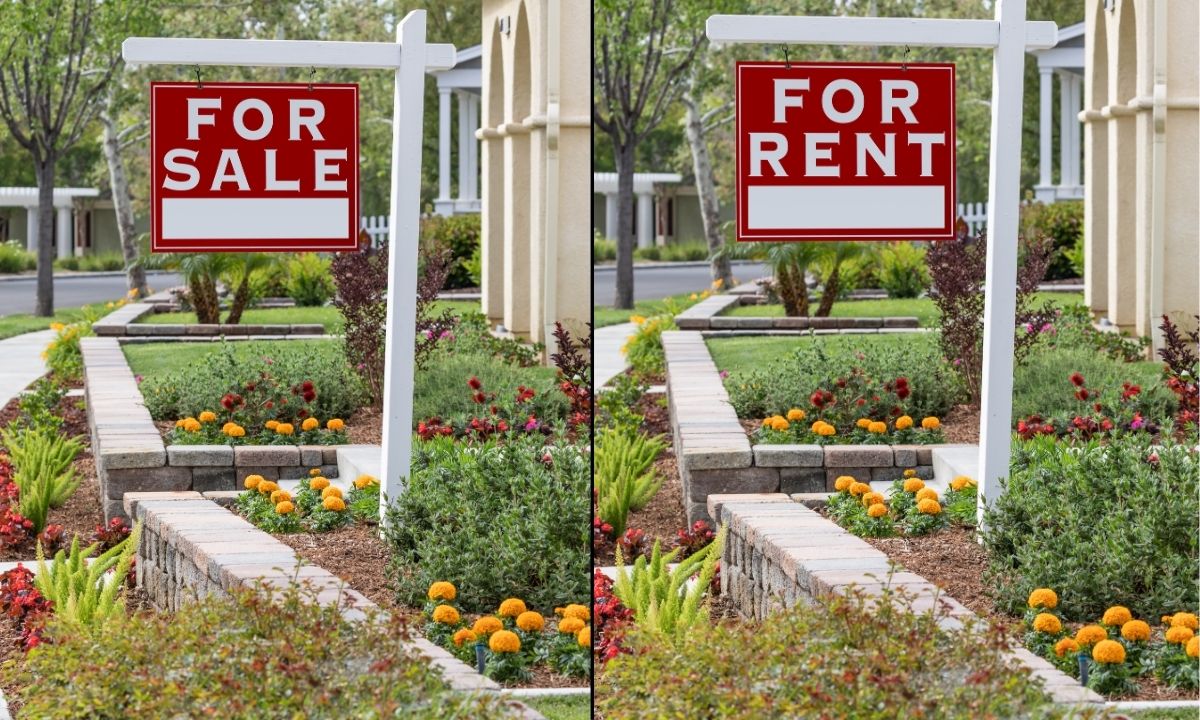
 Buying a second home is an exciting milestone. Whether it’s a vacation retreat, an investment property, or a future retirement haven, the decision involves many considerations. One of the most important questions you’ll face is whether to rent out your first home or sell it. Both options have their pros and cons, and the right choice depends on your financial goals, market conditions, and personal circumstances. Let’s discuss the key factors to help you make an informed decision.
Renting Out Your First Home
Pros:
- Steady Income Stream: Renting your first home can provide a consistent income stream, which can help offset the mortgage on your second property.
- Appreciation Potential: By holding onto your first home, you may benefit from property appreciation over time, potentially increasing your long-term wealth.
- Tax Benefits: Rental properties come with various tax deductions, including mortgage interest, property taxes, and maintenance expenses, which can reduce your overall tax burden.
Cons:
- Landlord Responsibilities: Managing a rental property requires time and effort. You’ll need to handle tenant issues, maintenance, and potentially hire a property manager.
- Market Risks: Real estate markets can be unpredictable. If property values decrease or rental demand drops, your investment could be less profitable.
- Financing Challenges: Qualifying for a mortgage on your second home may be more difficult if you already have an existing mortgage. Lenders may scrutinize your debt-to-income ratio more closely.
Selling Your First Home
Pros:
- Immediate Equity: Selling your first home can provide a significant amount of cash, which can be used as a down payment on your second property or to pay off debts.
- Simplified Finances: Without the responsibilities of a rental property, you can focus entirely on your new home and its associated costs.
- Market Timing: If the real estate market is favorable, selling could maximize your profits, especially if your home has appreciated significantly.
Cons:
- Loss of Rental Income: By selling, you forgo the potential rental income and long-term appreciation benefits of keeping the property.
- Transaction Costs: Selling a home involves costs such as real estate agent commissions, closing fees, and possible repairs or upgrades to make the home market-ready.
- Emotional Attachment: Parting with a home full of memories can be emotionally challenging, especially if it’s your first home.
Making the Right Decision
To determine the best course of action, consider the following steps:
- Evaluate Your Financial Situation: Assess your current financial health, including income, expenses, savings, and debt. Determine how a second home purchase and either renting or selling your first property will impact your finances.
- Analyze Market Conditions: Research the real estate market in your area to understand trends in property values, rental demand, and economic conditions.
- Consult Professionals: Speak with a real estate agent, financial advisor, and mortgage lender to get expert advice tailored to your unique situation.
- Consider Your Long-Term Goals: Reflect on your personal and financial goals, such as retirement plans, investment strategies, and lifestyle preferences.
Ready to explore your options for buying a second home? Whether you decide to rent or sell your first property, we are here to help you every step of the way. Contact us today for personalized guidance and expert advice to make your next real estate move a success!
 When it comes to protecting one of your most significant investments—your home—having the right insurance coverage is essential. Home insurance, also known as homeowners’ insurance, offers financial protection against a wide range of potential risks, from natural disasters to theft. However, not all home insurance policies are created equal. Understanding the different types of home insurance coverage can help you make an informed decision that best suits your needs. We will touch on the various types of home insurance coverage available and what each one entails.
 If you’re considering buying a home or refinancing your mortgage, you’ve probably come across the term “mortgage origination fee.” But what exactly is it? Let’s take a look at the details to help you understand what this fee entails and why it’s an important part of the mortgage process.