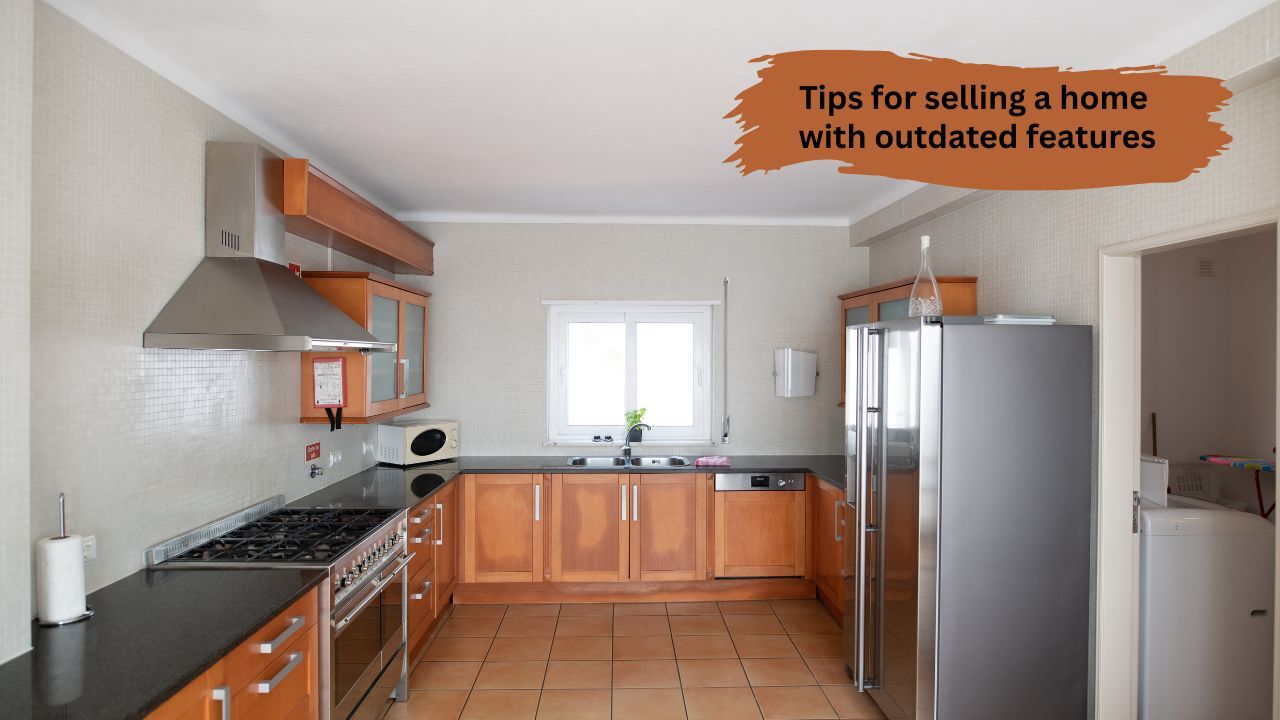
 Selling a home with outdated features can be a challenge, but it’s far from impossible. Whether your kitchen hasn’t been updated in decades, or your bathrooms still have that retro charm, buyers today are looking for modern, move-in-ready spaces. However, with the right strategy and a few smart improvements, you can make your home more appealing to potential buyers and get the best possible price.
1. Focus on Curb Appeal
The first impression counts, and the exterior of your home is the first thing buyers will see. Fresh paint, new landscaping, or even just power-washing the exterior can make a big difference without breaking the bank. A clean, well-maintained exterior signals to buyers that the home has been cared for, even if the inside needs some work.
2. Prioritize High-Impact Areas
While it might not be feasible to remodel every room in your home, there are a few key areas where updates can make a significant difference. The kitchen and bathrooms are often the most important spaces for potential buyers. Even if you can’t afford a full remodel, consider smaller updates like new hardware, light fixtures, or a fresh coat of paint. Replacing outdated countertops or adding a backsplash can also provide a more modern look at a reasonable cost.
3. Make Small, Cost-Effective Updates
You don’t need to make major renovations to boost your home’s appeal. Small, inexpensive updates can have a big impact. Consider updating light fixtures, replacing worn-out carpets, or adding fresh paint in neutral tones. If your home has old, heavy drapes, replace them with lighter, more modern window treatments to brighten up the space. These small changes will help buyers see the potential of your home without feeling overwhelmed by the need for major work.
4. Declutter and Depersonalize
Buyers need to envision themselves in the space, so it’s important to remove any personal items that might distract them. Clear out clutter, pack up family photos, and depersonalize the space as much as possible. A clean, organized home allows buyers to focus on the features of the home itself, rather than on your belongings. You might also want to consider staging the home with neutral furniture to give it a modern, appealing look.
5. Be Transparent About the Home’s Condition
While you don’t want to highlight every flaw in your home, it’s important to be honest with potential buyers about its condition. If your home has outdated features or needs repairs, it’s better to address these issues upfront rather than risk scaring off buyers later. You might even consider offering a home warranty or negotiating with the buyer on price to reflect any necessary updates or repairs.
6. Price the Home Realistically
In today’s market, pricing is key. If your home has outdated features, you’ll need to price it accordingly. Overpricing your home can result in it sitting on the market for too long, which can be a red flag for potential buyers. Work with your real estate agent to set a competitive price that reflects the condition of your home while still taking into account its potential.
Selling a home with outdated features doesn’t have to be a setback. By focusing on small updates, improving curb appeal, and pricing realistically, you can position your home to attract buyers who are looking for a great deal with potential. With the right approach and strategy, you can successfully sell your home, even with a few outdated features.
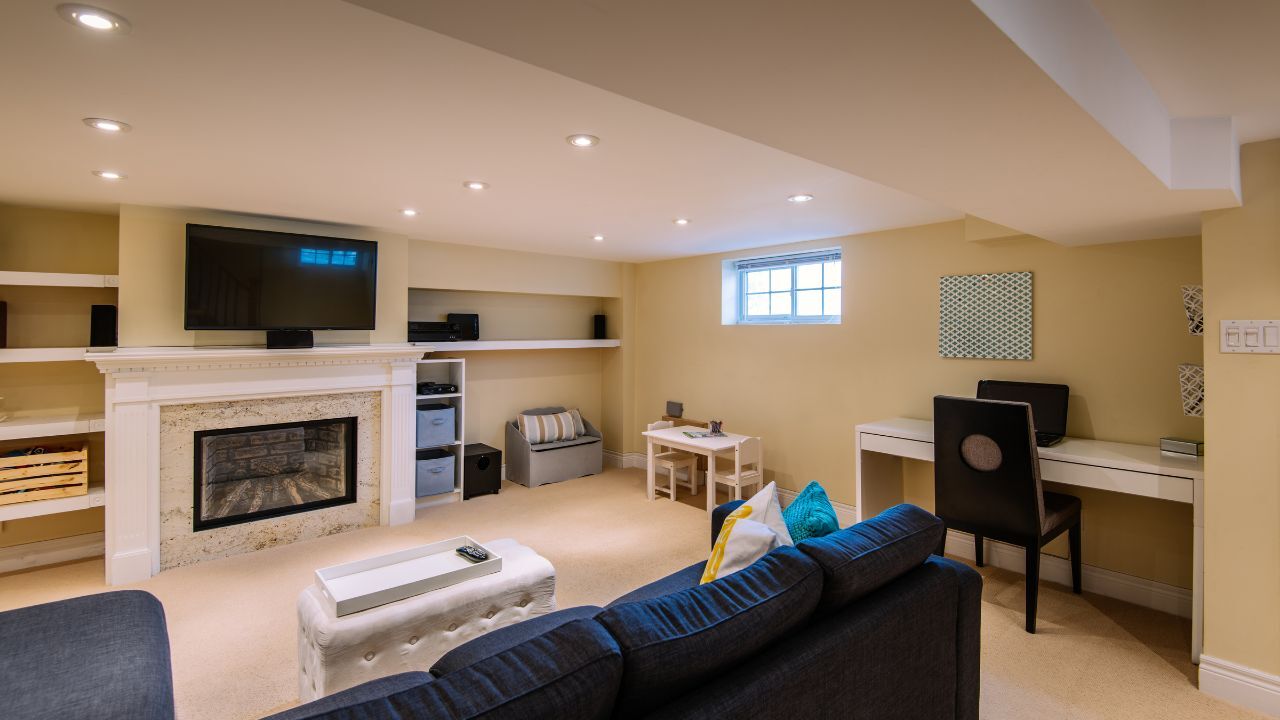 When searching for a new home, many buyers overlook one valuable feature that can add flexibility, income, and long-term potential: a basement suite. Whether it’s fully finished or ready for renovation, a basement suite can offer a wide range of benefits beyond just additional space.
 You don’t need to buy a house or manage tenants to get into real estate investing. If you’ve been curious about investing in property but aren’t ready for the hands-on commitment, Real Estate Investment Trusts (REITs) might be the perfect solution.