 There are many people who are thinking about listing their homes, but they need to make sure they get as much money for their homes as possible. This could mean making a few upgrades and repairs around the home. There are some situations where it might be possible to DIY these projects, but there are other situations where it is better to call a professional, or CAP. When should homeowners take which path? Learn more below.
Painting And Light Work Could Be DIY
First, anything that is simple or easy around the home needs to be a DIY project. For example, if there are a few spots that need to be touched up with a fresh coat of paint, then this could probably be a DIY project. If there are easy plumbing fixes around the house, such as swapping out a toilet flapper, this could probably be a DIY project as well. It might even be easy to swap out some handles or drawer pulls. Ultimately, everyone has a different comfort level, but these are a few examples of easy DIY projects around the home.
CAP For Issues Of Safety, Time, And Money
There are larger projects that should require a professional. For example, anything that has to do with the electrical system needs to be handled by a professional. It is possible for someone to shock or electrocute themselves, which is something that needs to be avoided. Furthermore, any major carpentry projects need to be handled by someone with the right tools and training. Finally, if there is a major leak in the home somewhere, then this is something that requires the attention of a trained plumbing professional. If these projects go wrong, they can go very wrong, so they need to be fixed correctly on the first attempt.
Cosmetic Is DIY, Structural Is CAP
In the end, everyone has their own comfort level, but a great rule of thumb is that anything cosmetic should be DIY, well anything structural should be CAP. Remember that everyone has to put safety first. When in doubt, call a professional for help. That way, everyone can maximize the value of their home when they go to list it.
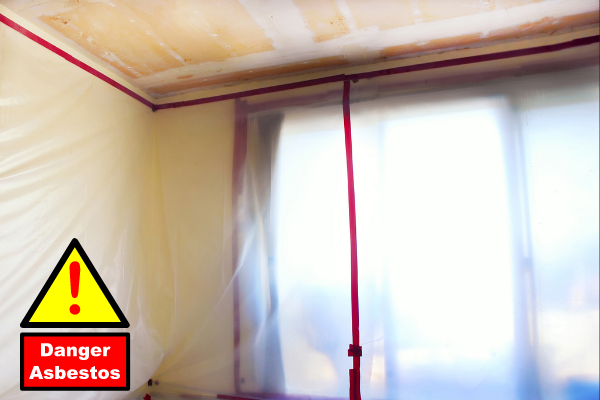 Houses across the country come in all shapes and sizes. Some of them are older than others, so they might come with aspects that are a bit outdated. Unfortunately, there are a lot of locations where older homes might still have asbestos in them. While this should be something that comes up on the inspection, buyers need to be aware of these serious issues. If the home was built before 1980, there is a major chance that the building might have asbestos in it. Fortunately, there are alternatives to this type of insulation.
 Last week’s economic news included reporting on housing markets, housing starts, and building permits issued. Data on new and existing home sales were published along with weekly reports on mortgage rates and jobless claims.