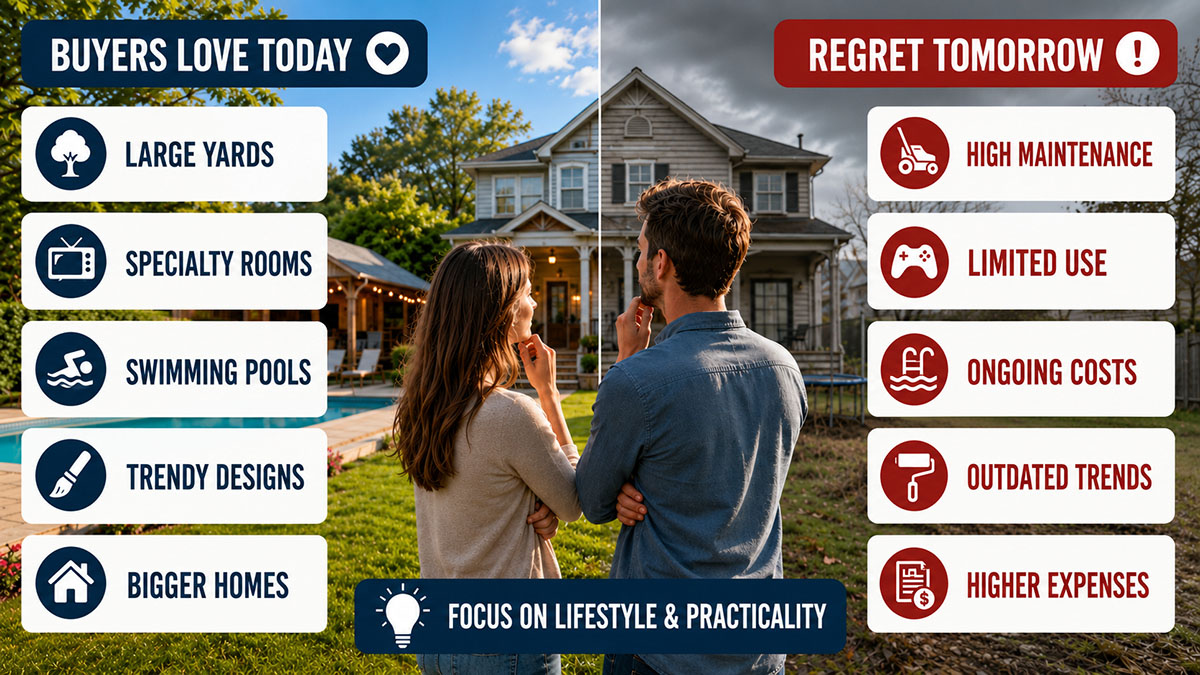
 Certain home features can create an immediate emotional reaction during a showing. Buyers often imagine how exciting it would be to own a property with unique amenities or impressive design elements. While some features continue to provide value for years, others can become unexpected sources of expense, maintenance, or frustration after move-in.
Large Yards Require Ongoing Care
A spacious backyard is a dream for many buyers. However, maintaining a large property requires time, effort, and often additional expense. Lawn care, irrigation systems, landscaping, and seasonal upkeep can quickly become more demanding than buyers initially expect.
Specialty Rooms May Have Limited Use
Home theaters, oversized game rooms, and highly customized spaces can seem appealing during a showing. The challenge is that these rooms may not fit your lifestyle once the excitement of the purchase wears off. Buyers should consider how often they will realistically use these spaces.
Pools Come With Responsibilities
Swimming pools can provide enjoyment and entertainment, but they also require regular maintenance, repairs, insurance considerations, and ongoing operating costs. Understanding those responsibilities before purchasing can help buyers make a more informed decision.
Trendy Design Choices Can Age Quickly
Some design trends look great today but may feel outdated in just a few years. Highly personalized finishes, bold color schemes, or unique layouts can sometimes make future updates more expensive and affect resale appeal.
Bigger Is Not Always Better
A larger home often means higher utility costs, more cleaning, and increased maintenance responsibilities. Buyers should focus on purchasing the amount of space they truly need rather than assuming more square footage automatically creates a better living experience.
Focus on Lifestyle and Practicality
The best home features are the ones that improve your daily life without creating unnecessary burdens. Evaluating how a feature fits your lifestyle can help ensure excitement does not outweigh practicality during the buying process.
Smart Decisions Lead to Long-Term Satisfaction
A successful home purchase balances emotional appeal with realistic expectations. By looking beyond the initial excitement and considering long-term ownership responsibilities, buyers can choose a home they will continue to enjoy for years to come.
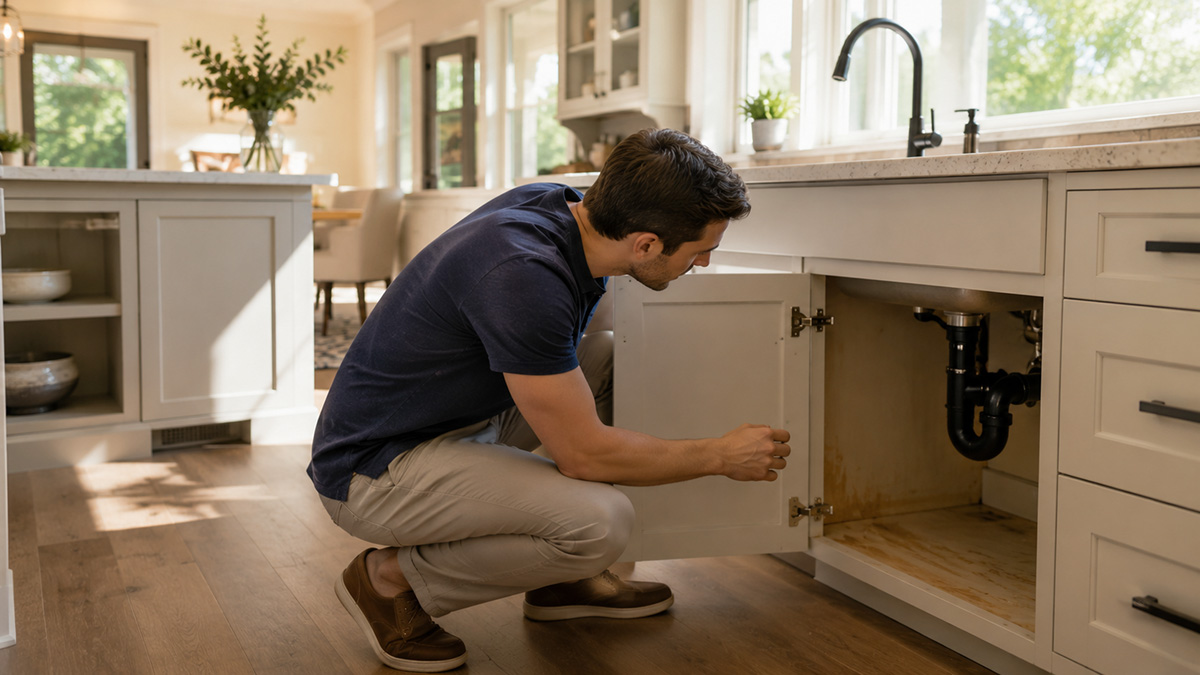 Finding a home you love is exciting, but it is important to look beyond attractive finishes and well-staged rooms. Some issues are easy to identify, while others can be hidden beneath fresh paint or cosmetic upgrades. Learning how to spot potential red flags before making an offer can help buyers avoid unexpected expenses and future headaches.
 Touring homes is one of the most exciting parts of the buying process. It is your opportunity to see properties in person, compare options, and determine which homes may be the best fit for your needs. While many buyers focus on features they can see, asking the right questions during a showing can provide valuable information that may not be immediately obvious.
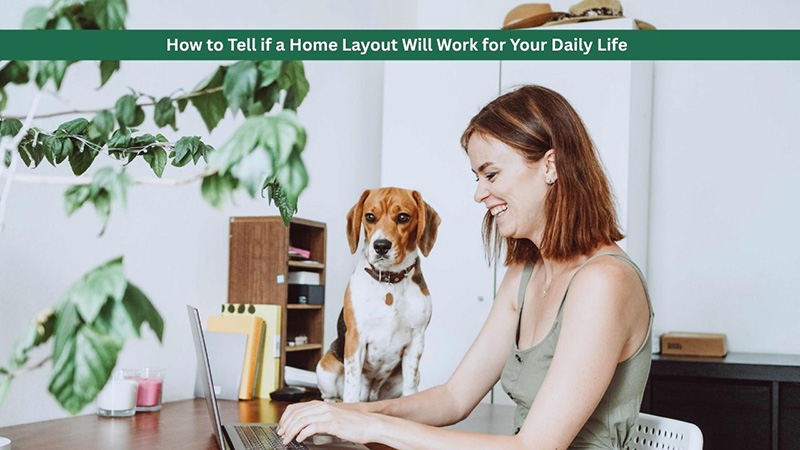 When buyers tour a home, they often focus on square footage, finishes, and upgrades. While those factors are important, the layout of a home can have an even greater impact on how comfortable and functional the property feels once you move in. A well-designed floor plan can improve daily living, while a poor layout can create frustrations that become more noticeable over time.