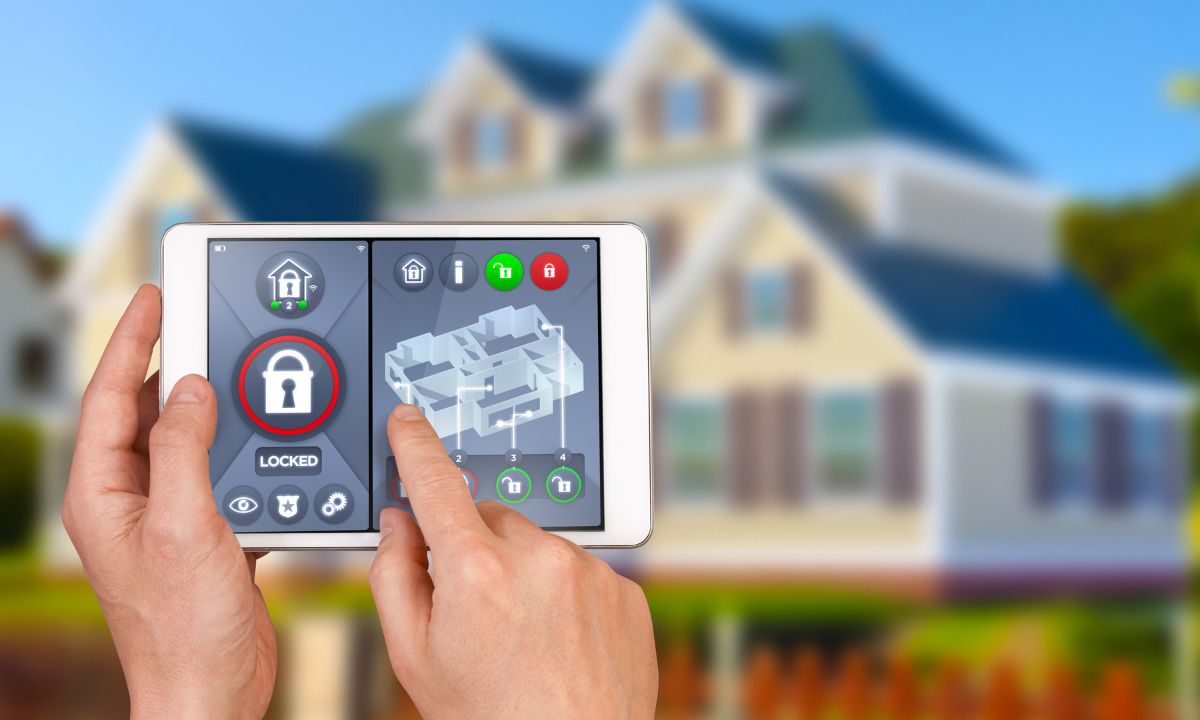
 Smart homes are rapidly reshaping the real estate landscape, promising unparalleled convenience, security, and sustainability. With automation and connectivity at their core, these homes represent the forefront of technological innovation, offering homeowners unprecedented control over their living environments.
The rise of smart home technology is driven by its ability to streamline daily tasks and enhance quality of life. From automated lighting and thermostats to voice-activated assistants, these systems simplify household management and create personalized experiences tailored to individual preferences.
Security is a paramount concern for homeowners, and smart home solutions offer peace of mind through integrated surveillance cameras, motion sensors, and smart locks. Real-time monitoring and remote access capabilities enable homeowners to keep tabs on their property from anywhere, mitigating risks and ensuring safety for occupants.
Energy efficiency is another key driver of smart home adoption, with technologies like smart thermostats and lighting systems optimizing energy usage and reducing utility costs. By integrating renewable energy sources and promoting sustainable practices, smart homes contribute to environmental conservation and long-term savings for homeowners.
In the real estate market, smart home features have become increasingly desirable, influencing property values and buyer preferences. Builders and developers are responding to this demand by incorporating smart technology into new construction projects, catering to a tech-savvy clientele seeking modern amenities and future-proofing.
Real estate professionals recognize the value of smart home technology as a selling point and differentiator in a competitive market. Listings showcasing smart features attract buyers looking for convenience, security, and energy efficiency, driving demand for homes equipped with advanced automation and connectivity.
Looking ahead, the future of smart homes holds immense potential for innovation and evolution. As technology continues to advance, the integration of artificial intelligence, machine learning, and predictive analytics will further enhance the capabilities of smart home systems, creating intelligent environments that adapt and respond to occupants’ needs in real time.
In conclusion, the future of smart homes is characterized by innovation, sustainability, and interconnectedness. By embracing automation and technology, we can create homes that not only enhance our daily lives but also promote environmental stewardship and redefine the way we experience home. As we navigate this era of digital transformation, the possibilities for smart homes are limitless, reshaping the future of real estate and revolutionizing the way we live.
 In the rapidly evolving landscape of real estate, smart homes are emerging as a transformative force, reshaping the way we live and interact with our living spaces. Automation and technology have become integral components of modern homes, offering unprecedented levels of convenience, efficiency, and sustainability. This article delves into the burgeoning realm of smart homes, exploring the impact of automation and technology on the real estate industry and the future trends that promise to redefine our concept of home.
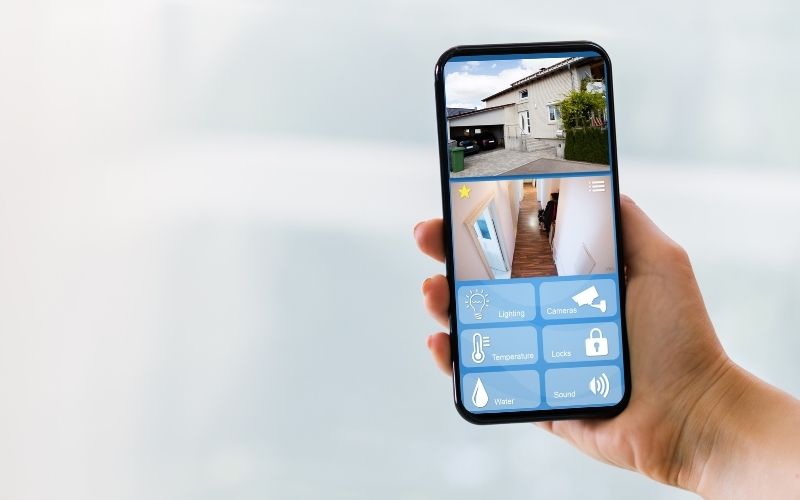 Technology has come a long way, and you might be thinking about turning your house into a smart home. Now, there are a lot of smart home products available, and you may have a difficult time keeping track of which ones are best for you. What are some of the top smart home products you need to know about?