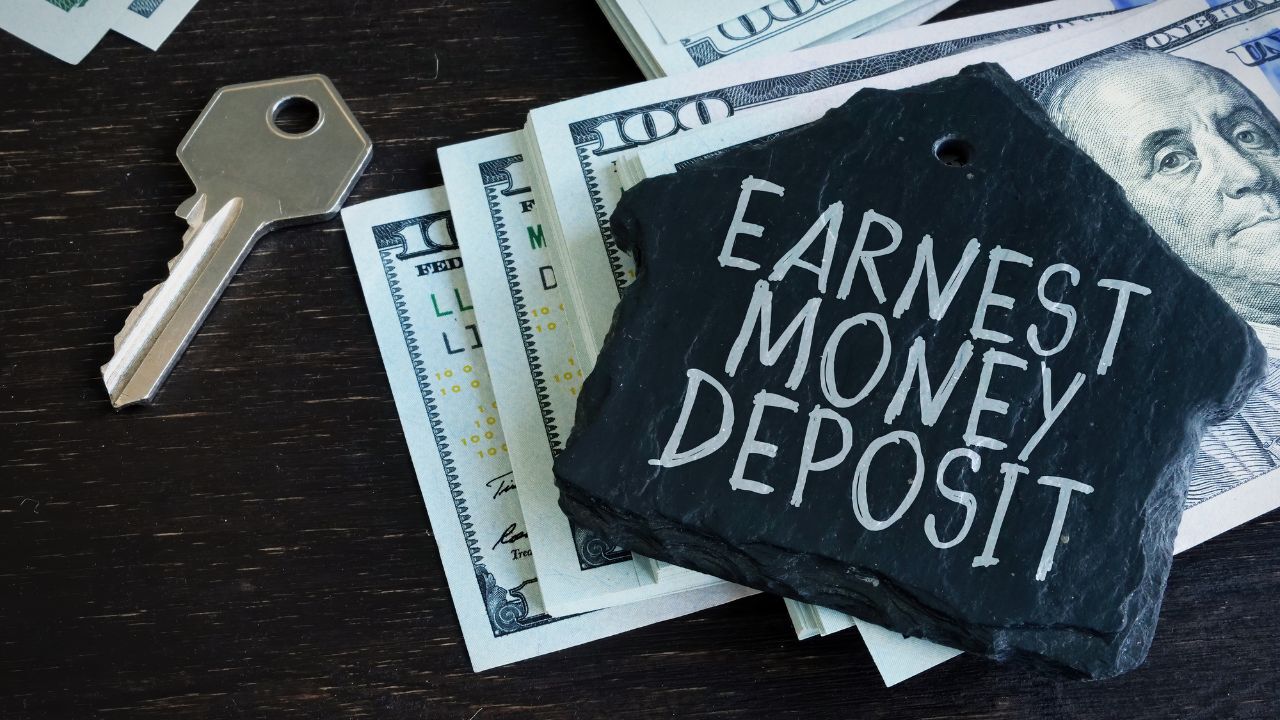
 When buying a home, understanding the role of an earnest money deposit can make the difference between a smooth transaction and unnecessary stress. Earnest money shows a seller that you are serious about purchasing their property, and it often plays a key role in negotiating and securing your dream home. Knowing how it works, how much to offer, and what can happen to your deposit is essential for any buyer.
What Is an Earnest Money Deposit
An earnest money deposit is a sum of money provided by the buyer when making an offer on a home. It demonstrates good faith and commitment to the purchase. The deposit is typically held in an escrow account until closing, at which point it is applied toward the down payment or closing costs.
How Much to Offer
The amount of earnest money varies depending on the local real estate market and the property price. In competitive markets, buyers may offer a higher deposit to make their offer stand out. However, it is important to balance the deposit with your comfort level, as you want to demonstrate seriousness without overextending financially.
What Happens to Your Deposit
If the deal closes successfully, your earnest money is credited toward your purchase. If the transaction falls through due to contingencies, such as a failed inspection or financing issues, the deposit is usually refunded. Conversely, if a buyer backs out without a valid reason, the seller may keep the deposit as compensation for lost time and opportunities.
Tips for Protecting Your Earnest Money
To safeguard your deposit, always include contingencies in your offer that allow you to withdraw under certain circumstances. Work with a trusted real estate agent and a reputable escrow company to ensure proper handling. Understanding the terms of the contract and communicating clearly with your agent can prevent disputes and ensure that your deposit is protected.
Earnest money deposits are a critical part of the home buying process. By understanding how they work, how much to offer, and how to protect your investment, buyers can demonstrate commitment, strengthen their offers, and navigate the transaction confidently.
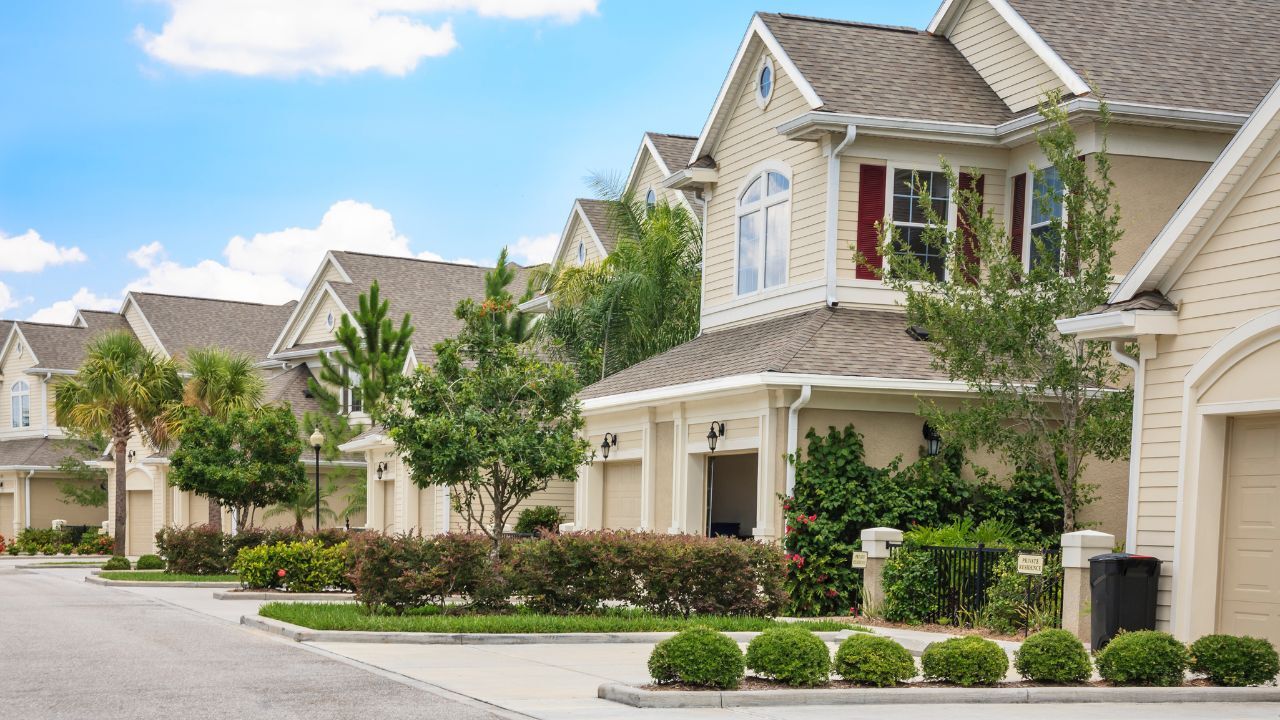 When buying a home, it is natural to focus on the property itself, from layout to finishes and outdoor space. However, many real estate experts agree that the neighborhood can be just as important, if not more so, in determining your long-term happiness, property value, and lifestyle. Understanding the interplay between the home and its surroundings can help buyers make informed decisions that balance both priorities.
 Buying a home can be stressful, especially in competitive markets. Knowing when a seller is motivated to sell can give you a strategic edge, allowing you to make offers that are more likely to be accepted while potentially saving money. Understanding the signs of a motivated seller and how to approach the situation can help buyers navigate negotiations confidently.