 A mortgage escrow account, also known simply as an escrow account, is a financial arrangement set up by a mortgage lender to manage and disburse certain payments related to the property on behalf of the homeowner. The purpose of an escrow account is to ensure that essential expenses, such as property taxes and homeowners’ insurance, are paid on time.
Here’s how a mortgage escrow account works:
Creation of Escrow Account: When you obtain a mortgage loan, your lender may require you to establish an escrow account. This account is typically separate from your mortgage loan account.
Monthly Payments: As part of your monthly mortgage payment, you contribute a prorated amount toward property taxes, homeowners insurance, and, in some cases, private mortgage insurance (PMI). The total amount is divided by 12, and a portion is added to each monthly mortgage payment.
Lender’s Responsibility: The lender is responsible for making payments from the escrow account when they come due. This includes paying property taxes and homeowners’ insurance premiums directly to the relevant authorities or insurance companies.
Annual Analysis: Each year, the lender performs an escrow analysis to ensure that the correct amount is being collected to cover expenses. If there is a shortfall or surplus in the account, adjustments may be made to your monthly payment to reflect the anticipated expenses for the coming year.
Changes in Taxes or Insurance Premiums: If there are changes in property taxes or insurance premiums, the lender adjusts the escrow account accordingly. This can lead to changes in your monthly mortgage payment.
Surplus or Shortage: If there is a surplus in the escrow account after all expenses are paid, you may receive a refund. Conversely, if there is a shortage, the lender may increase your monthly payment to cover the shortfall.
Homeowner’s Responsibility: While the lender manages the escrow account, it’s still the responsibility of the homeowner to stay informed about changes in property taxes and insurance costs. Homeowners should review their annual escrow statements and communicate with their lender if they have concerns or questions.
Having an escrow account can be convenient for homeowners because it spreads out the cost of property taxes and insurance over the year, making it easier to budget for these large annual expenses. Additionally, it helps ensure that these crucial payments are made on time, reducing the risk of liens on the property or lapses in insurance coverage.
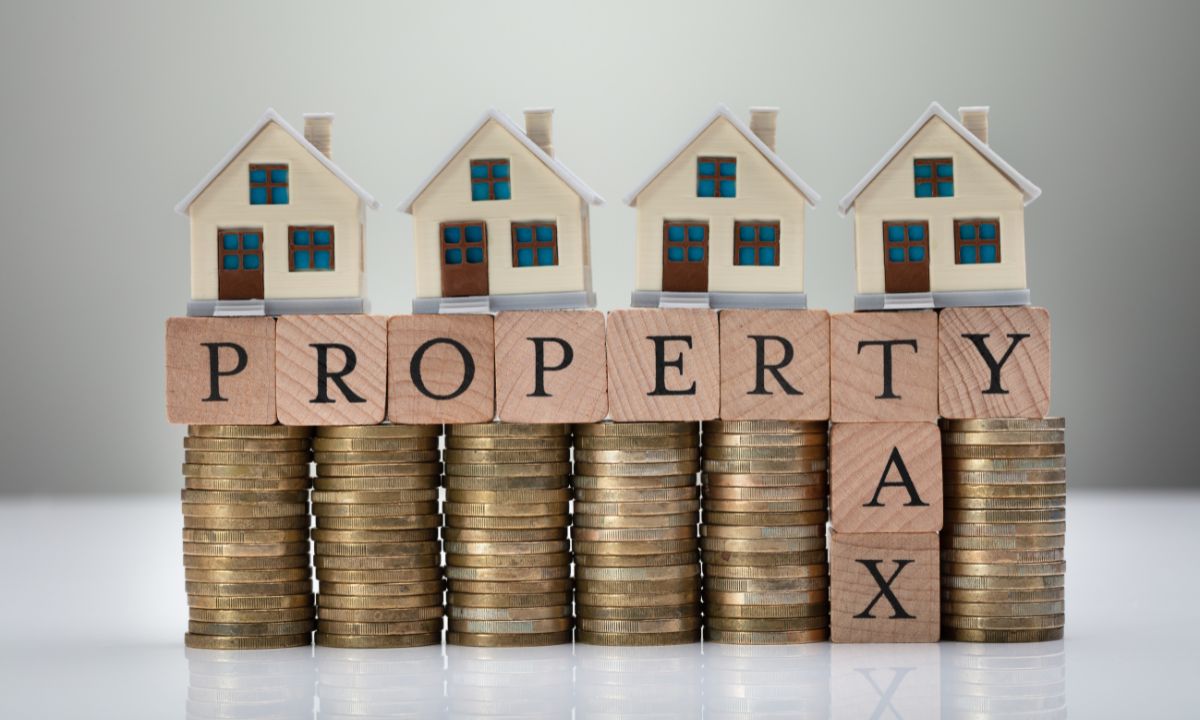 Purchasing a new home is an exciting milestone, but it also comes with various responsibilities, including understanding property taxes. Property taxes are a crucial aspect of homeownership, as they contribute to local government funding and services. In this guide, we’ll break down everything you need to know about property taxes as a new homebuyer.
 Are you about to buy a house or condo for the first time? Congratulations! Owning your own piece of real estate is a liberating experience and one that will provide you with the foundation to build your personal wealth and equity. Once you own your own home you’ll be responsible for a variety of new costs, including property taxes which are assessed by your local government to pay for municipal services. In this blog post we’ll share how property taxes work and what you can expect to pay when you buy your new home.