 If you are looking for a home, your agent may tell you that a home is being sold as-is. This means that there may be major defects with the home that the seller is not willing to repair before offloading the property. As a result, their problems may become your problems if you purchase that property. How can you protect yourself during the sale?
Look At All Disclosures
Even though disclosure laws can vary significantly from state to state, the homeowner may be required to disclose certain problems to you. Real estate agents should always point out disclosures from sellers, so take a look at what the seller is sharing with you. Examples could include problems with the roof, lead paint, or natural hazards such as flood zones or fire zones.
Add An Inspection Contingency
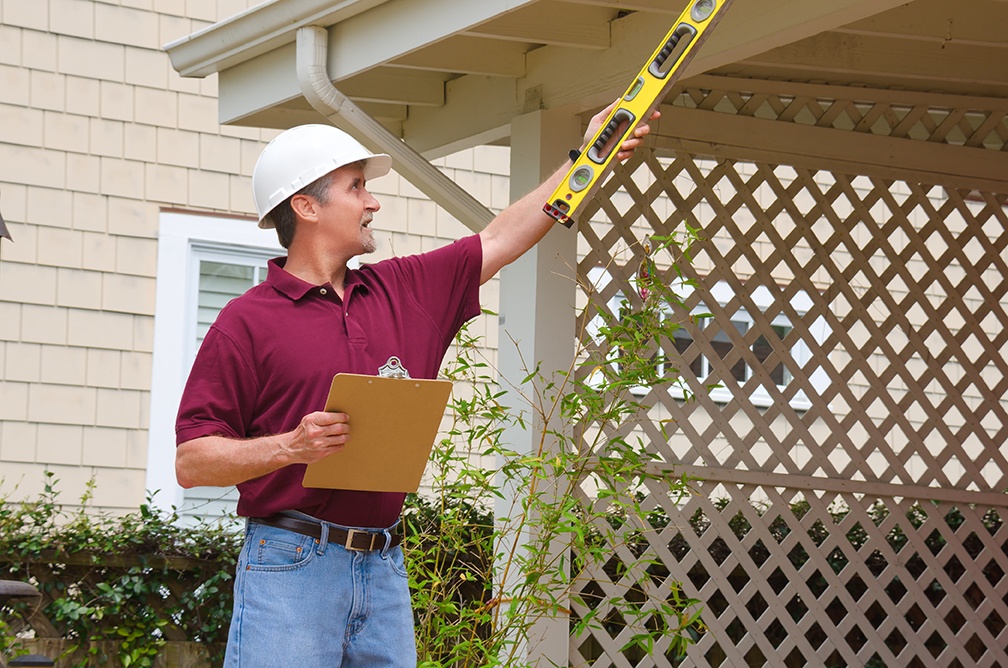
You should always get an inspection before you purchase the home so you know what defects might be present. If you purchase a home and do not get an inspection, you might be surprised by certain defects when you move in.
Furthermore, you should add an inspection contingency to the home. This means that you have the opportunity to negotiate for certain issues to be resolved if they are found on inspection. Or, you pay a lower price for the home if the seller is unwilling to resolve them.
Ask For Help From A Lawyer
If there are major defects in the home, and if the seller is refusing to budge, you may want to reach out to a real estate attorney. This is helpful for learning more about the real estate laws in your state. You need to protect your rights, figure out how you can get the defects fixed, and how you can save money on the price of the home. Your real estate agent might be able to refer you to a real estate attorney.
Negotiate A Lower Price
Ultimately, the best way for you to protect yourself is to negotiate a lower price. Because you will have to spend a lot of money repairing the home, the seller should be prepared to reduce his or her asking price. In a seller’s market, you may not have that opportunity, but you may want to ask for a discount.
 There are two broad categories of mortgages. The first is government mortgages, which include USDA, FHA, and VA loans. These loans are backed and insured by the United States government. The other category is conventional mortgages. These are mortgages that are insured by private lenders, such as banks and credit unions. What are the differences between these two loan options?
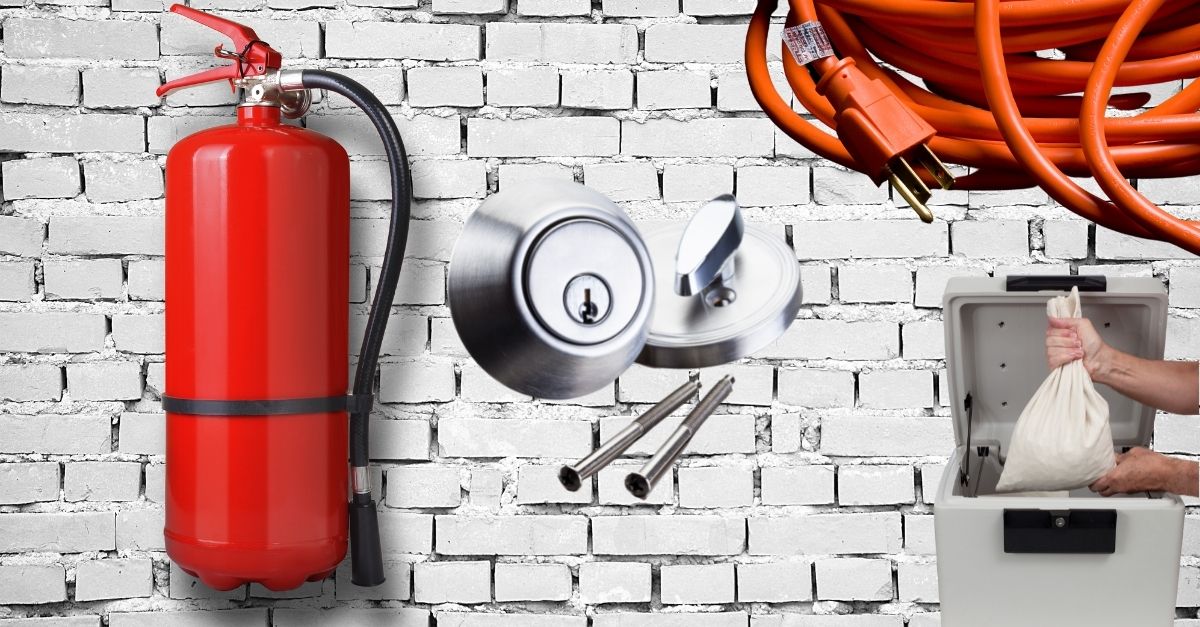 Moving into your first home is an exciting experience, but it can also be overwhelming. To manage the move properly, you need a wide variety of tools you may never have considered before. You may not realize you should have purchased a certain item until you need it.