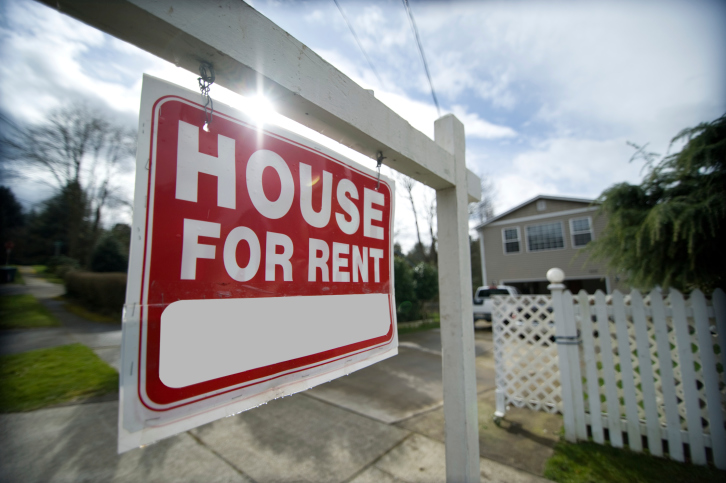
 Owning rental properties is a great way to diversify investments. Similar to the stock market, homes come in many shapes and forms. Some people are looking for short-term rental properties while other people are looking for long-term rental properties. What are the differences between them, and why might one person choose to own one of these properties over the other?
What Is A Long-Term Rental?
In general, long-term rental property is defined as any property that has a standard lease that is longer than 12 months. Many people think about apartments, condos, and single-family homes as long-term rental properties.
There are several reasons why people might choose a long-term rental property as one of their investment options. With longer leases, there is a consistent stream of income. There is also less to do because there is not as much turnover between residents. Property owners also have fewer responsibilities, as the renters are often responsible for handling utilities.
On the other hand, vacancies in long-term rental properties can last a long time. Some people prefer flexibility in a rental contract, so they might not be interested in a minimum 12-month lease.
What About A Short-Term Rental?
A short-term rental property is defined as any property with a standard lease that is shorter than 12 months. While this often includes vacation homes, they can also include single-family homes, apartments, and condos.
Many people like owning a short-term rental property because the income is generally higher. People tend to stay for only a few days or weeks at a time, so property owners can charge more for an average night.
One downside of owning a short-term rental property is that this requires more work. The property owner has to clean more often between residents, and there might be more variability in the income stream.
Choose The Right Property
These are just a few of the most important points people need to keep in mind regarding long-term and short-term rental properties. The right option for one person is not necessarily the right option for someone else. Property owners need to think about their personal preferences, the location of the property, and how much work they are willing to do. That way, they can decide whether to go with a short-term or long-term rental property.
 The vast majority of people will need to go through a mortgage lender when purchasing a home. One of the last steps in the purchase process is the home appraisal. The lender wants to make sure they are not lending more money than the house is worth. If the appraisal value comes in above what the buyer is paying, then the buyer is happy because they might be getting a great deal. On the other hand, if the appraisal comes in below what the buyer is paying, this can be frustrating. What is the appraisal gap, and how does it work?
 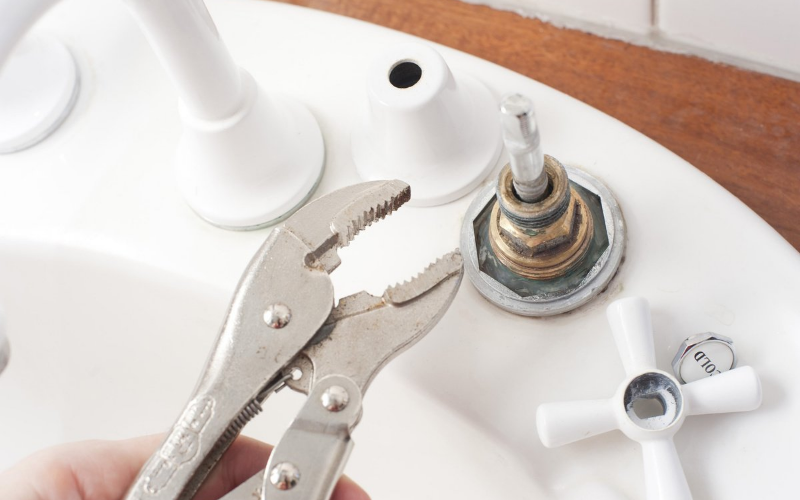 A house is an investment, and it is important to treat it as such. Homeowners must capitalize on the value of their homes when they go to sell them. One of the best ways to do so is to handle minor repairs before listing the house. Minor repairs do not take that long, so homeowners don’t have to worry about delaying their timeline. Furthermore, they are not that expensive to fix, but they can have a significant impact on the value of the home. Why is this the case?