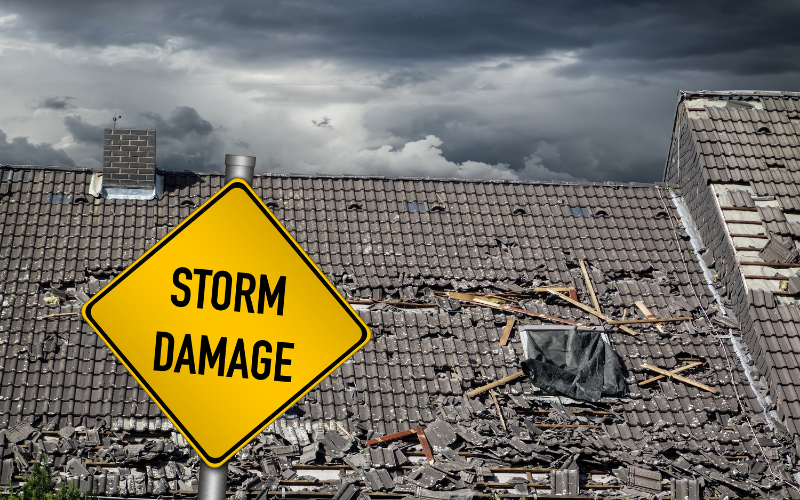
 If you own a home, you must make sure it is properly protected. Hazards can change throughout the year, and one of the biggest threats during the spring is the arrival of frequent thunderstorms. If your home is damaged by a severe storm, it might be covered by your homeowner’s insurance policy. You need to take a closer look at your policy to see if you have the right coverage.
An Overview Of Home Insurance
An insurance policy is supposed to protect you against potentially severe financial consequences. For example, if your home is damaged, the repair bills could be tens of thousands of dollars. If you have home insurance, your policy may pay for this type of damage.
The right insurance policy can repair damage to your roof, fix your walls, and even replace the furniture that might have been damaged. Typically, your home insurance policy will have an initial deductible, which is an out-of-pocket expense. Then, once your deductible has been met, your home insurance policy should cover the rest up to the limit of its coverage.
Does Home Insurance Cover Storm Damage?
It isn’t unusual for a home insurance policy to cover potential storm damage. At the same time, you need to understand the limitations of your policy and the circumstances under which a claim might be paid out. For example, your home insurance policy might protect your home in the event of a thunderstorm, but it may not protect your home in the event of a flood from a nearby river or lake. You should also make sure you have enough financial coverage in your home insurance policy to repair your home and replace any damaged property.
How To Check A Home Insurance Policy
Start by reading through your policy to see what is covered in what is not. There might be a lot of jargon in the policy. If you have a difficult time understanding the wording, you should contact your insurance company and speak to a representative.
You should keep a copy of your home insurance policy in a fire-proof container or safe. This will make it easier for you to refer back to the policy if you have questions later or in the event of an emergency.
 It is critical for everyone to find a home that is right for them. Given the current lack of inventory, this can be a significant challenge. Fortunately, the National Association of Realtors (NAR) keeps track of numerous market aspects, including how long the average family stays in a home. For the past few decades, the average family has stayed in their home for approximately six years; however, during the past few years, that average has gone up to nine years. This means that the average homeowner is keeping his or her house longer than he or she did in the past. Why is this happening?
 The idea of buying a home is challenging enough as the process requires a lengthy approval validation, paperwork, financing, and the actual move with logistics. However, when one really looks at what typically occurs with relocation, buying versus renting can start to make more sense over time.