 When selling a home, every detail matters—including the colors you choose for walls, decor, and even the front door. Color psychology plays a significant role in how potential buyers perceive a space, influencing their emotions and decision-making. The right color choices can make a home feel warm, inviting, and move-in ready, while the wrong ones can deter buyers. Here’s how color psychology affects home sales and what shades work best to attract buyers.
The Power of Color in Home Selling
Colors trigger emotional responses, and in real estate, they can make or break a sale. Certain shades evoke feelings of calmness and comfort, while others create excitement or even tension. The key is to use colors strategically to appeal to the broadest range of buyers.
Best Colors for Selling a Home
1. Neutral Tones: The Safe Bet
- Shades: White, beige, greige, and soft gray
- Why: Neutral colors create a blank canvas, allowing buyers to envision their own furniture and decor. These shades make rooms feel bright, airy, and timeless.
2. Blue: Calming and Trustworthy
- Shades: Light blue, navy, and slate blue
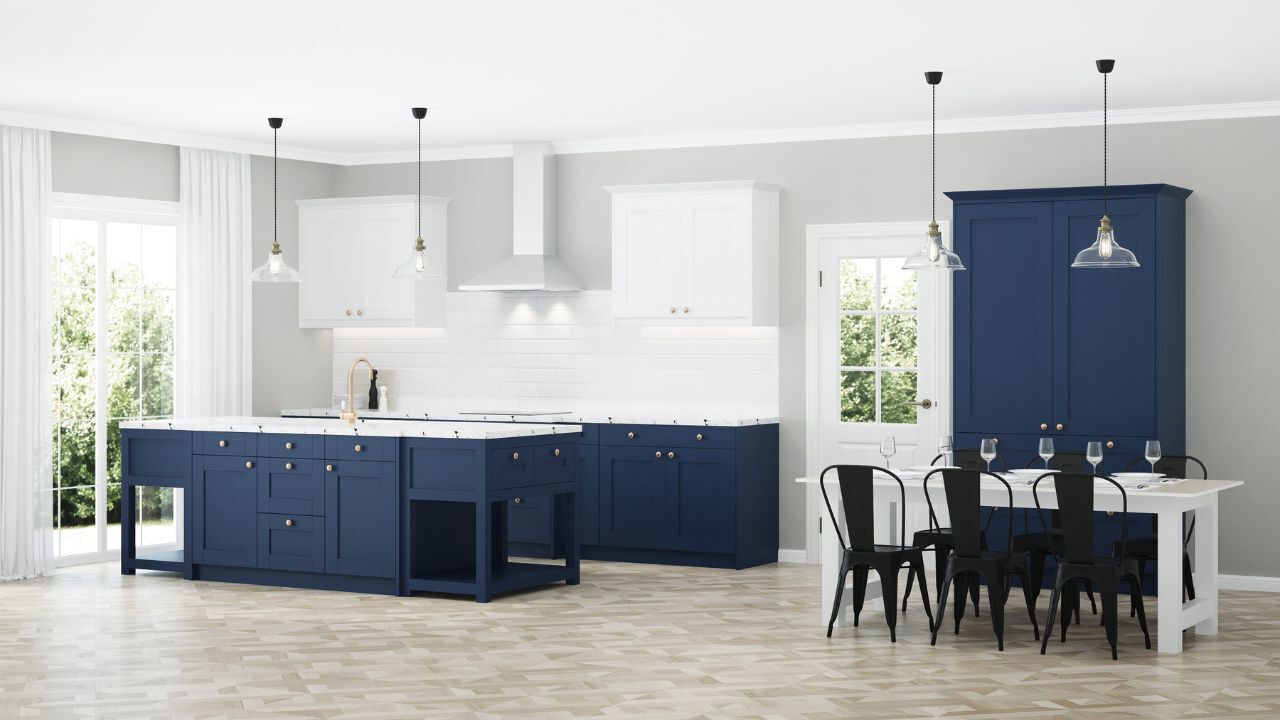
- Why: Blue is associated with calmness and stability. Light blue works well in bathrooms, making them feel spa-like, while navy adds sophistication to dining or office spaces.
3. Gray: Modern and Elegant
- Shades: Light gray, charcoal, and warm gray
- Why: Gray has become a go-to color for modern interiors. It pairs well with various decor styles and provides a contemporary yet cozy atmosphere.
4. Earthy Greens: Natural and Relaxing
- Shades: Sage, olive, and muted green
- Why: Green is linked to nature and tranquility. Lighter greens make living rooms feel fresh, while darker greens add depth and sophistication.
5. Soft Yellows: Welcoming and Cheerful
- Shades: Pale yellow, buttercream, and muted gold
- Why: Yellow tones create a warm and inviting feel. They work best in kitchens or entryways, where they add a touch of brightness without overwhelming the space.
Colors to Avoid When Selling a Home
1. Bright or Bold Colors
- Bright reds, oranges, and purples can be overwhelming and may limit a buyer’s ability to picture themselves in the home.
2. Dark and Heavy Shades
- Black or deep brown can make rooms feel smaller and less inviting unless used sparingly in accents.
3. Overly Personalized Colors
- Highly unique colors like neon pink or bright turquoise might be too taste-specific and require repainting before selling.
The Psychology of Curb Appeal: The Front Door Matters
Your front door is the first impression of your home. Here’s what different colors say to buyers:
- Black: Bold and luxurious, increasing perceived home value.
- Red: Energetic and welcoming.
- Blue: Peaceful and inviting.
- Green: Balanced and harmonious.
Choosing the right colors can make your home more appealing to buyers and even increase its perceived value. Stick to neutral, calming tones that create a sense of space and warmth. When in doubt, a fresh coat of soft gray or warm white can do wonders!

 When buying or selling a home, several key professionals work behind the scenes to ensure a smooth transaction. One of the most critical players in this process is the title company. But what exactly does a title company do, and why is their role so essential?