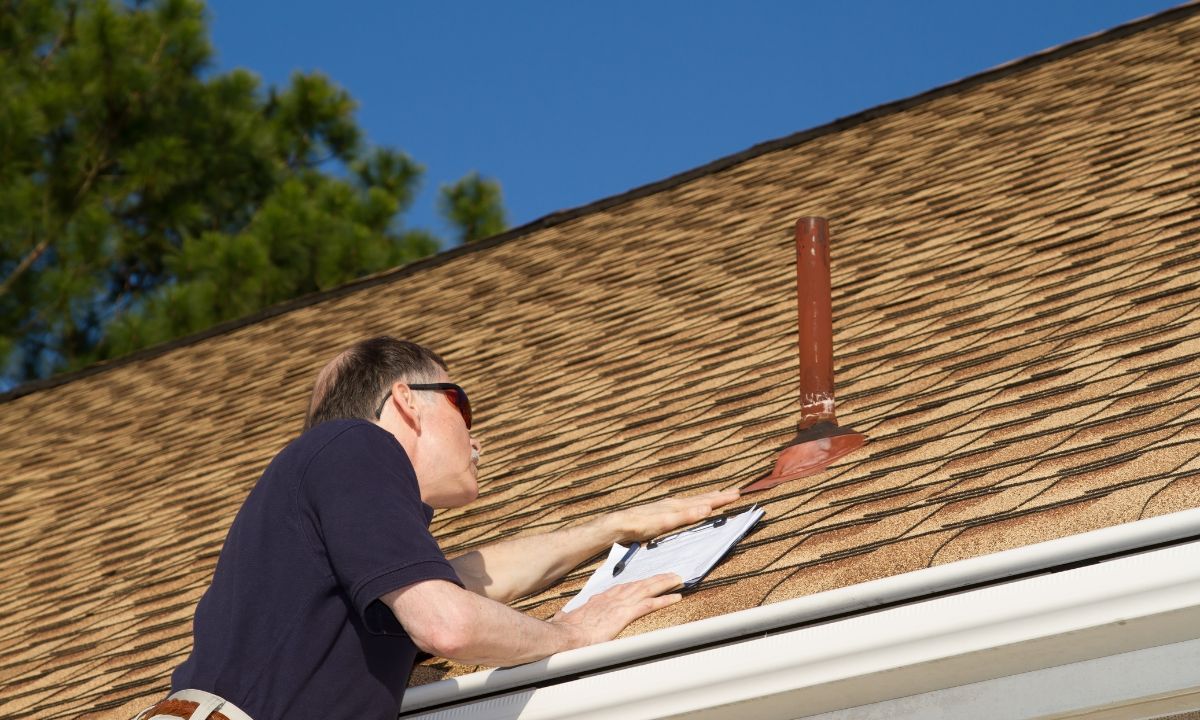
 Buying your first home is an exciting milestone, but it can also feel overwhelming. One critical step in the home-buying process is the home inspection. An inspection is a complete examination by a professional home inspector and ensures the property is in good condition and helps you avoid costly surprises. What exactly does a home inspector look for in a home you want to buy? Let’s break it down.
Exterior Structure and Foundation
First and foremost, the home inspector will assess the exterior structure and foundation. They will check for any visible cracks, signs of settling, or water damage that could indicate structural issues. Additionally, they will inspect the condition of the roof, gutters, and downspouts, looking for any signs of wear, leaks, or damage.
Interior Components
Next, the inspection moves inside. The inspector will evaluate the condition of the walls, ceilings, and floors. They will look for any signs of water damage, mold, or structural issues. It’s essential to ensure that the home is safe and habitable.
Plumbing Systems
The inspector will then turn their attention to the plumbing systems. They will check all visible pipes for leaks, corrosion, or damage. Furthermore, they will test the water pressure and ensure that all fixtures, such as faucets, showers, and toilets, are functioning correctly.
Electrical Systems
Equally important, the home inspector will examine the electrical systems. They will inspect the electrical panel, circuit breakers, and outlets to ensure everything is up to code and functioning safely. Any outdated or faulty wiring will be noted, as it can pose a significant safety hazard.
HVAC Systems
The heating, ventilation, and air conditioning (HVAC) systems will also be thoroughly inspected. The inspector will check the age and condition of the furnace and air conditioning units, ensuring they are in good working order. Proper maintenance of these systems is crucial for comfort and energy efficiency.
Attic and Insulation
The attic and insulation will be examined. The inspector will assess the insulation levels to ensure they meet current standards and check for any signs of moisture or pest infestations. Proper insulation is vital for energy efficiency and overall comfort.
Appliances
Furthermore, if the home includes appliances such as a stove, refrigerator, or dishwasher, these will also be inspected. The inspector will ensure they are in working condition and identify any potential issues.
Safety Features
Lastly, the home inspector will evaluate safety features, including smoke detectors, carbon monoxide detectors, and fire extinguishers. These essential items must be in place and functioning correctly to ensure the safety of the home’s occupants.
A home inspection is a vital step in the home-buying process. It provides a comprehensive overview of the property’s condition, helping you make an informed decision. By understanding what a home inspector looks for, you can better prepare for this crucial step and move forward with confidence. Have more questions? Give us a call, we would be happy to help.
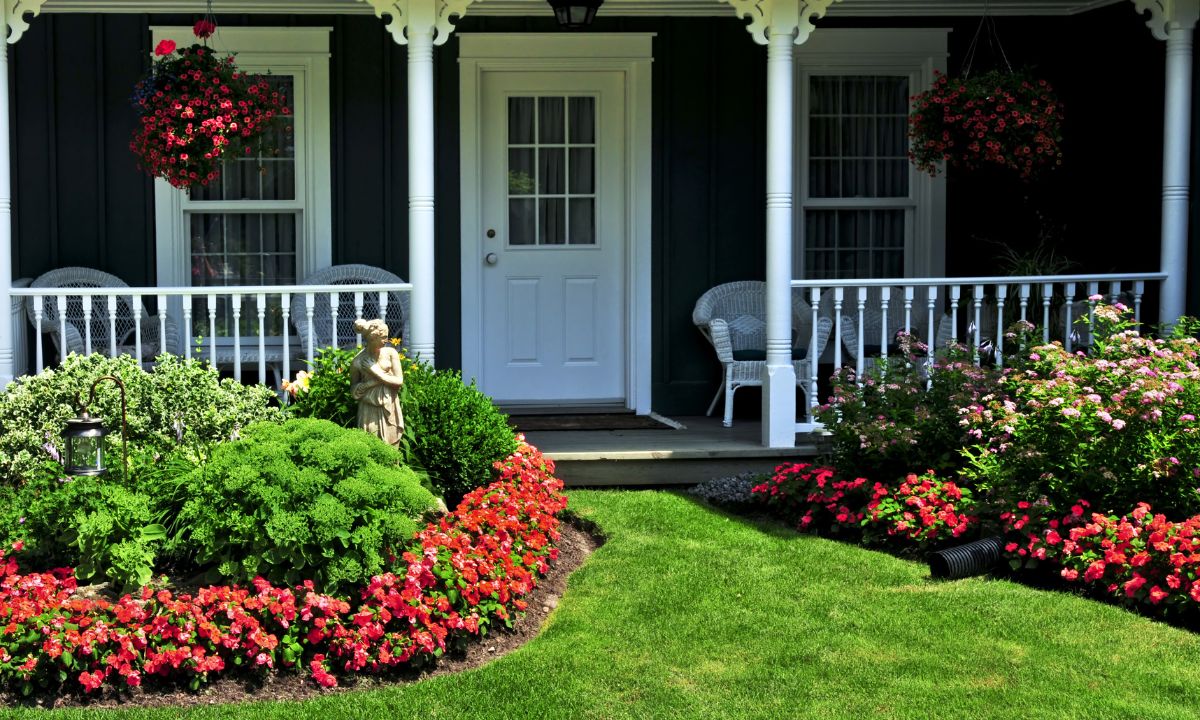 First impressions matter, especially when it comes to your home. Whether you are planning to sell your house or simply want to make it more inviting, enhancing its curb appeal can work wonders. The good news is that you don’t need a hefty budget or a team of professionals to achieve noticeable improvements. Here are some simple and affordable ways to elevate your home’s exterior charm:
 When hunting for the perfect home, the idea of having an oasis nestled in the comfort of your backyard is undeniably appealing. You can picture the lush greenery, a serene water feature, and perhaps a cozy fire pit to gather around with loved ones. It’s a dream many aspire to achieve. But like any significant decision, there are both pros and cons to consider before taking the plunge into this scenic lifestyle.