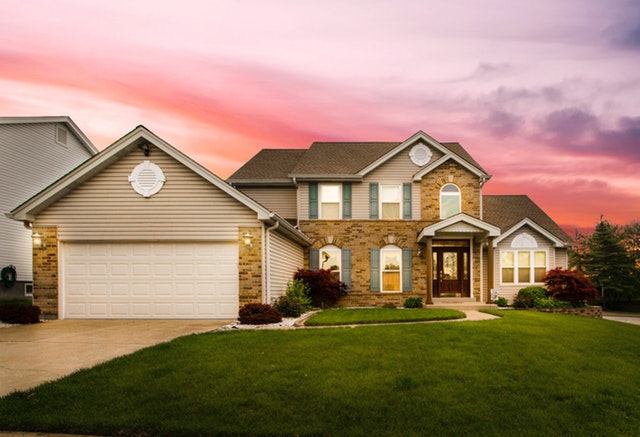
 When considering buying a home in an “as-is” condition, the buyer takes all the risk of anything needed to bring the property back up to current building codes and make it ready for occupation or re-sale. There can be bargains in as-is properties if you know how to hunt for one.
How To Find As-Is Bargain Properties
To find these properties, look for those that sell at auction for tax liens or other reasons for governmental asset-seizure. The might be distressed as-is properties that are foreclosures, short-sales, or estate sales.
A popular home-flipping strategy is to buy an as-is property at a price that is far below market value, make the repairs necessary, and then resell the home for a price that covers the repair costs plus makes a profit.
Tips On Buying As-Is Properties
It is a guessing game when buying an as-is property. There may be very unpleasant surprises for repairs that are very costly and are not obvious. Hidden problems include major plumbing troubles, severe electrical system repairs, shifting or broken foundations, dry rot, and termite infestations.
Here are some tips about how to improve the chances of getting a better deal when buying an as-is property:
Home Inspection: Conduct a professional home inspection. This is insurance to avoid a serious mistake. It is worth the few hundred dollars to pay for one, even if you do not get the property.
Work With A Contractor: Being a contractor yourself is great. Many contractors buy and flip houses when not working on projects for others. The next best thing is working or partnering with a contractor. Just doing a walk-through with a remodeling contractor helps identify things that need to fix. Then, the estimates for the renovation can be done more accurately.
Major Systems: Assume the major systems will need work or replacement. The biggest unknown expenses in a renovation come from the heating, cooling, and other major systems.
Check Drains: Running water into the sinks for a few minutes is an easy way to see if the drains are blocked.
Roof: Based on the home’s age, assume the roof needs replacement if the roof is more than 20 years old. Inside the home look for evidence of roof leaks that left behind stains on the ceilings and walls that are signs of water damage.
Probe For Termites: Drill tiny deep holes into wood, in an inconspicuous area, to test for termite infestation and/or pay for a pest control inspection.
Foundation Problems: Go into the crawl space under a home to look for foundation problems, such as major cracks and shifting. Another indicator of ground movement and settling, which may be a problem, is that the doors in the home are not level or plumb and do not close properly.
Summary
It is possible to get a bargain when buying an as-is property; however, it is not a certainty. If you are just starting with flipping houses, it is better to partner with professionals to get helpful guidance. Work with a qualified real estate agent who specializes in distressed properties and partner with a reputable building contractor to increase the chance of success.
 Case-Shiller’s National Home Price Index showed 3.20 percent national home price growth in September, which was 0.10 percent higher than August’s reading of 3.10 percent. The 20-City Home Price Index showed the continued impact of exorbitant home prices on both coasts as home price growth slowed in high-cost areas and smaller markets experienced upward pressure on home prices as home buyers were seeking affordable homes.