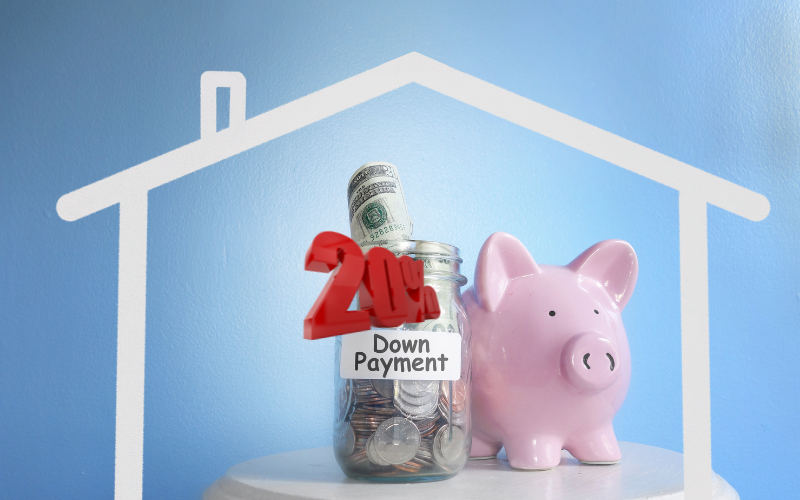
 Purchasing a home is a major decision, and it could be the most expensive financial transaction somebody ever makes. Therefore, it is important to get this right. One of the biggest hurdles for a new homeowner is coming up with enough money for the down payment. A lot of people believe they require 20 percent down to purchase a home. Saving this amount of money can be overwhelming, and some people are wondering, is this really necessary? There are several key points to keep in mind.
Putting 20 Percent Down Is Not Really Necessary
When taking a look at the prices of homes, putting 20 percent down can seem like a pipe dream for most people. Fortunately, putting this amount of money down is not actually necessary. It is possible for people to qualify for a loan with significantly smaller amounts of money. For example, there are some lenders who might be willing to provide a loan to a first-time homebuyer for as low as 3.5 percent. Even though this is still a lot of money, it is not nearly as much as 20 percent down. Potential homeowners need to do their homework and work with down payment assistance programs to make this process easier.
Why Do People Put 20 Percent Down?
So, where does the idea of putting 20 percent down actually come from? Many homeowners decide to put 20 percent down because they would like to avoid something called private mortgage insurance, or PMI. This is an insurance policy that potential homeowners may be required to purchase on behalf of the lender to protect the lender in the event of a default. When homeowners reach 20 percent equity in their homes, they can ask for PMI to be canceled. Because most homeowners do not want this additional expense, they may feel compelled to put 20 percent down.
Find The Right Home Loan
Potential homeowners should not feel like their dreams are derailed simply because they need to put 20 percent down. It is possible to qualify for a home loan with significantly lower down payment percentages, but every homeowner has to assess his or her options. That way, they can make the best financial decision for their individual situation.
 Last week’s economic reports included readings on home price growth from S&P Case-Shiller Home Price Indices, data on new home sales, and the University of Michigan’s Consumer Sentiment Index. Weekly readings on mortgage rates and jobless claims were also published.
  The idea of an idyllic beachfront home is appealing for many people, but there are a number of factors involved in this type of home purchase that should be considered before getting serious. Whether it’s a home to live in full time, or a vacation property with investment potential, there are a number of issues to take note of. So, if you’re on the fence regarding waterfront property, here are some things you should keep in mind if beach life might be right for you.