 Are you in the market for a new home? If you plan on using mortgage financing to buy your next home you’ve likely heard the phrase “loan-to-value” or the acronym “LTV” before. Let’s take a quick look at the loan-to-value ratio including why it’s important, how to calculate it, and how it can affect your mortgage.
What is the Loan-to-Value or LTV Ratio?
In short, the LTV ratio is a number that compares how much money you owe against your home with its resale value in the marketplace. A low LTV ratio indicates that you have far more equity in your home than you owe in mortgage payments; conversely, a high LTV ratio indicates that you owe almost as much as your home is worth.
Calculating your LTV ratio is easy. Simply divide the amount that you have (or will have) remaining in your mortgage by your home’s value. For example, if you own a home worth $250,000 and you still owe $150,000 on your mortgage, the calculation would be $150,000 divided by $250,000, which gives you an LTV ratio of 0.6 or 60 percent.
Why is the LTV Ratio Important?
Your LTV ratio is important for a number of reasons. First, your mortgage lender will use this figure as part of their risk calculation when they assess your financial suitability for your mortgage. If you’re only putting 5 percent of the purchase price in as a down payment you’ll have an LTV ratio of 95 percent, which is a more risky loan than one with an LTV ratio of 30 percent and thus will almost certainly come with a higher interest rate.
If you have an LTV ratio higher than 80 percent and you’re getting a mortgage from a conventional lender you’ll also be required to pay for private mortgage insurance or “PMI”. Although PMI rates generally sound quite low – in the neighborhood of 0.5 to 1 percent – they can add hundreds of dollars to your monthly mortgage payment. Note that PMI may not apply to you if you’re seeking out a government-backed mortgage from Veteran’s Affairs, the USDA, or the FHA.
While the LTV ratio might seem simple, this number can affect your mortgage in a variety of ways. Contact your local mortgage advisor today to learn more about the LTV ratio and to have your questions answered by an experienced professional.
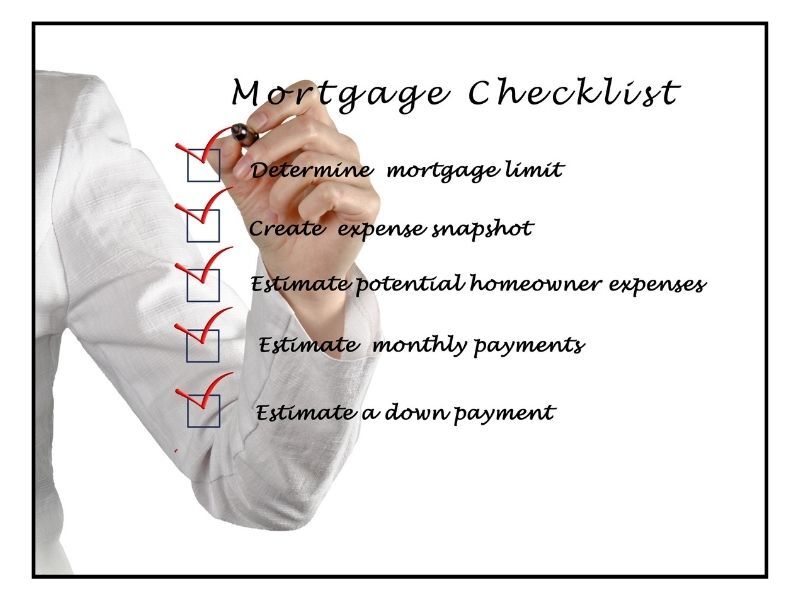 Have you finally found your dream home after months of searching, and then you are told that the seller has received other offers? No buyer wants to find themselves in a bidding war against another buyer as it is a stressful situation. Being unprepared and not having your finances in order will make it even more stressful. Here are a few quick ways if you’re looking to speed up your mortgage approval process, here’s a checklist to help you prepare:
 As retirement approaches, many individuals find themselves faced with financial challenges and uncertainties. One option that is often overlooked but can be incredibly beneficial is the reverse mortgage. A reverse mortgage is a financial tool that allows homeowners aged 62 and older to convert a portion of their home equity into tax-free funds. Here are three compelling reasons why you might consider a reverse mortgage when nearing retirement: