 Today, on Veterans Day, we pause to honor and express our deep appreciation for the brave men and women who have served and protected our nation. Your courage, sacrifice, and dedication embody the very best of who we are as a country, and we are forever grateful for your service.
As real estate professionals, we understand that finding a place to call home is more than just a transaction—it is a fundamental part of building a life, creating memories, and feeling secure. For many veterans, the journey to homeownership may be part of their transition back to civilian life, a step towards stability, or a dream they have long worked for. We are privileged to play a role in this process, helping to guide and support our nation’s heroes as they seek a home that reflects their service and sacrifice.
On this day, we pledge to continue serving veterans and their families with dedication, understanding, and the respect you have earned. Thank you for your service, your strength, and your unwavering commitment to our country. We honor you today and always.
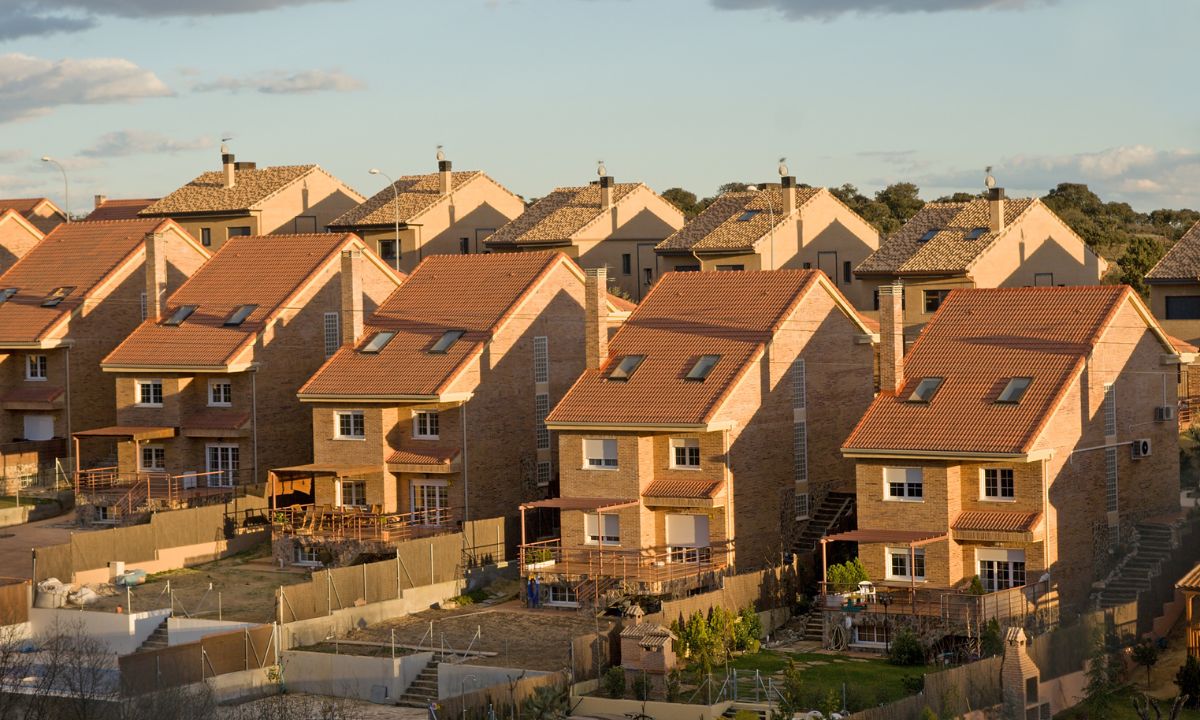 When buying a home, it’s easy to focus solely on the property itself—square footage, curb appeal, layout, and finishes all tend to grab our attention. But what happens outside the property can be just as impactful, especially when new developments are underway nearby. Whether it’s the construction of a new shopping center, school, or transit line, nearby developments can significantly influence property values, sometimes raising them and, in certain situations, leading to complexities. Here’s how developments around your property might shape its value and tips on researching these projects before making a decision.
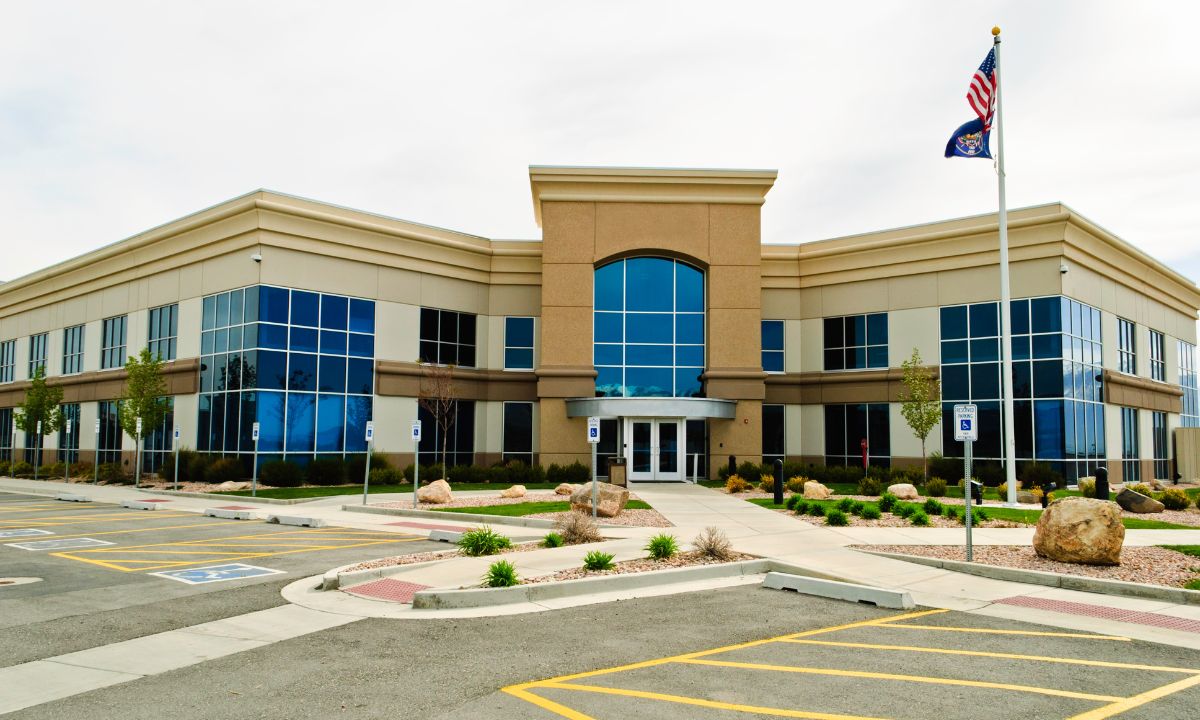 When purchasing a home, many elements shape the decision-making process, and for countless buyers, school districts are at the top of the list. Quality education access not only influences family decisions but also has a profound impact on property values. Whether you’re a family prioritizing educational opportunities, an investor focused on appreciating assets, or a homeowner thinking about resale value, understanding how school districts affect home values is crucial. This guide explores the connections between school districts and property values, delving into buyer priorities, market demand, community stability, investment potential, and resale value.